
Consider acquiring previously damaged vehicles to significantly lower operating expenses. This approach can lead to substantial financial benefits while maintaining reliable transportation for your operations.
Utilize auctions and online platforms specializing in damaged vehicles to find optimal deals that align with your budget. These resources provide access to a variety of options, ensuring flexibility in choosing the right vehicle for your needs.
Perform thorough inspections or consult with a mechanic to assess repair costs before finalizing a purchase. This proactive measure will prevent unforeseen expenses and facilitate informed decision-making, maximizing your savings.
By integrating this strategy into your procurement process, you can not only enhance your fleet but also allocate more funds towards expanding other vital aspects of your venture.
Evaluating the Financial Benefits of Purchasing Salvage Vehicles
Acquiring damaged or previously insured vehicles can significantly reduce overhead for enterprises. These units often come at a fraction of the price of new models, enabling financial flexibility. Businesses focusing on budget optimization should explore auction platforms or specialized dealerships that manage such inventory.
Calculating total expenditure involves considering maintenance costs and potential repairs. It is wise to assess the vehicle history reports to anticipate future expenditures. Investing in mechanical inspections prior to purchase ensures informed decisions, highlighting any necessary repairs that could increase long-term costs.
Financing options might be more favorable for these acquisitions, providing opportunities for businesses to conserve capital while enhancing their fleet with not fully functional units. For example, some lenders offer specialized loans for buying such units, which can aid in cash flow management.
Insurance premiums may also decrease, as premiums on these types often differ from new vehicles. This reduction in insurance can result in additional savings each month, allowing businesses to allocate funds elsewhere.
Resale value should be examined as well. Vehicles that are refurbished meticulously can hold their value and provide a profit margin upon resale, creating an additional revenue stream that can support other operational costs.
Choosing vehicles that require minor cosmetic adjustments rather than extensive repairs can facilitate quicker turnover and usability, contributing to the overall efficiency of business operations.
In conclusion, careful analysis of the financial implications associated with purchasing damaged vehicles reveals substantial benefits, including direct cost reductions, insurance savings, and potential revenue from resale, making it a strategic option for budget-conscious entities.
Steps to Safely Restore and Utilize Salvage Cars for Business Needs
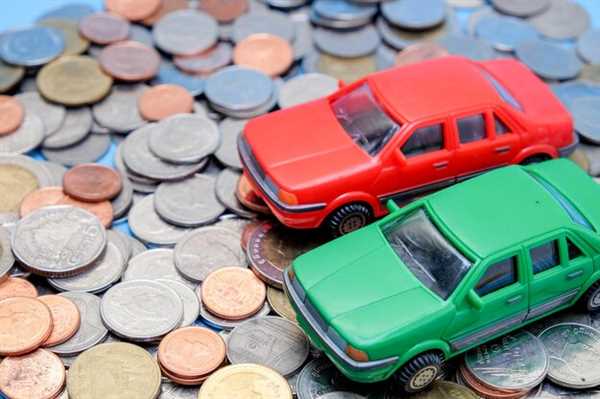
Assess the damage thoroughly. Begin with a detailed inspection to identify structural issues and mechanical problems. This forms the basis of your restoration plan.
Research your local regulations regarding repaired vehicles. Ensure compliance with safety standards and registration requirements to avoid legal complications.
Source parts wisely. Opt for high-quality components, prioritizing aftermarket or used parts that meet your needs and budget constraints.
Engage qualified mechanics. Collaborate with skilled professionals who have experience in restoring damaged vehicles to guarantee reliability and safety.
Document every step. Keep accurate records of repairs and modifications. This not only aids in future maintenance but is also valuable in case of unexpected inspections or resale.
Test the vehicle extensively. Before deploying the restored units for operational use, conduct various driving tests to ensure durability and functionality.
Implement maintenance routines. Establish a schedule for regular checks and services to keep the vehicles in good condition and extend their lifespan.
Evaluate insurance options. Once restored, ensure that the vehicles have appropriate insurance coverage tailored to your specific business activities.
Train your staff thoroughly. Ensure all employees who will operate the vehicles understand their features, safety protocols, and maintenance needs.
Seek feedback from users. Regular consultations with the team using the vehicles can provide insights into performance and further improvements.
Finding Reliable Resources for Salvage Car Acquisition and Repairs

Begin with online platforms such as Copart or IAAI, where vehicles are auctioned at competitive prices. Ensure you review the vehicle’s history and condition reports before bidding.
Local auctions hosted by insurance companies often offer reliable vehicles at reduced costs. Attend several to familiarize yourself with their processes.
Networking within automotive forums or local mechanics can lead to recommendations for trustworthy salvage yards. Personal referrals often prove more reliable than online reviews.
Establish a relationship with a certified mechanic who specializes in repairs. Their expertise can guide you in assessing vehicles and estimating repair costs accurately, maximizing your savings.
Search for community colleges or vocational schools that offer automotive programs. They sometimes seek vehicles for student training, providing you access to lower-cost labor for repairs.
Consider utilizing social media groups dedicated to vehicle enthusiasts or businesses. Members often share insights on finding good deals or reputable service providers.
Related Posts
Tips for Saving Money on Salvage Car Parts
Focus on local auto recyclers to significantly reduce expenses. These…

Why Salvage Auctions Are Great for Low Budgets
Participating in these events can significantly reduce the expenses for…