
When considering the relocation of damaged automobiles, enclosed carriers stand out as the safest choice. These transport vehicles shield your asset from environmental factors and potential road hazards. For high-value or rare models, this protection is paramount, ensuring they arrive undamaged at their destination.
Open carriers, while less protective, offer a cost-effective alternative for transporting multiple units simultaneously. This method is widely used due to its availability and faster service. It’s an optimal option if you prioritize budget over protection, especially for less valuable or older models.
If you prefer a more personalized experience, hiring a dedicated flatbed service can be beneficial. This method allows for individual attention and careful handling of your vehicle, making it ideal for unique situations where custom care is required during transit.
Lastly, utilizing a drop-off or pick-up service can streamline your experience, especially if you’re handling multiple vehicles. This option reduces the need for coordination, allowing the service provider to manage logistics effectively while you focus on other priorities.
Comparing Open vs. Enclosed Transport for Salvage Vehicles

Open transport is generally the more economical choice, often appealing to those looking to save on expenses. This option typically accommodates multiple units, reducing per-vehicle cost. However, it exposes the automobiles to environmental factors like dust, rain, or debris during transit, which may lead to damage.
On the other hand, enclosed transport provides superior protection against external elements. Ideal for high-value or rare units, this method satisfies owners prioritizing security. Although it carries a higher price tag, the assurance of safeguarding against weather and potential road hazards is a significant advantage.
Before deciding, consider the value of the automobile and its condition. If the car is in a delicate state or holds considerable market value, opting for enclosed transport makes sense. For more robust and less valuable autos, open transport should suffice without excessive risk.
Another factor to weigh is timing. Open carriers tend to have quicker turnaround times as they operate on set routes with multiple deliveries. Conversely, enclosed transport may have longer wait times due to limited availability and routes associated with individual units.
In conclusion, the selection between these two options depends significantly on your priorities, whether they are budget constraints or the necessity for enhanced security and protection during transit.
Choosing the Right Shipping Provider for Salvage Transport Needs
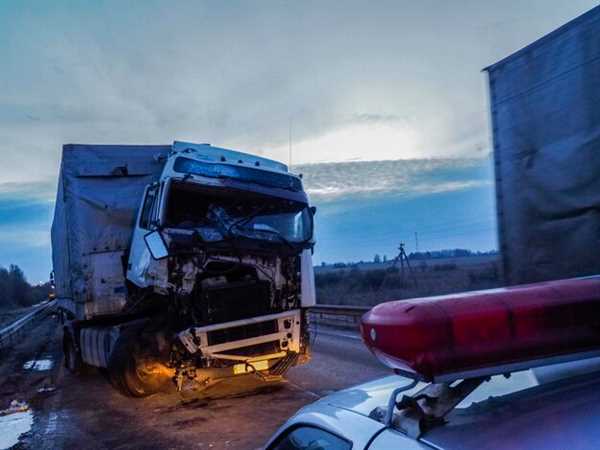
Evaluate insurance coverage options offered by carriers to protect against potential damages during transit. Ensure the provider has a solid reputation and positive reviews from previous clients.
Check the experience level in transporting difficult loads. Providers with specific expertise in handling non-operational autos can streamline the process and reduce risk.
Request detailed quotes that outline all costs to avoid hidden fees. Transparency in pricing can help in making an informed decision.
Inquire about the methods employed for load securing and transport conditions. Well-equipped carriers should demonstrate adherence to safety regulations and best practices.
Assess flexibility in scheduling and pickup locations to accommodate your circumstances. A responsive provider can greatly enhance the overall transport process.
Explore available tracking options that allow real-time updates during the shipping phase for peace of mind.
Consider regional experience; providers familiar with specific routes may offer more reliable timelines and efficient handling.
Understanding Costs and Logistics of Salvage Vehicle Shipping
Request detailed quotes from carriers to gain clarity on transportation expenses. Factors such as distance, vehicle weight, and condition significantly impact the final pricing. Typically, costs range from $200 to $1,000 depending on these elements.
Consider your choice of carrier type: open transport is generally more affordable but exposes automobiles to the elements, while enclosed transport offers more protection, costing more.
Evaluate the loading and unloading capabilities of your chosen service provider. Some companies offer door-to-door service, while others might require you to bring the automobile to their depot.
Be aware of potential additional fees. Unexpected situations, like delays due to weather or mechanical issues, can increase costs, so verify what scenarios will incur extra charges.
Plan logistics well in advance, as the scheduling of transport can affect rates. Booking during peak times may lead to higher costs, so aim for off-peak periods when possible.
Insurance coverage is another factor to consider. Always inquire about insurance options offered by the transport company and assess whether additional coverage is needed for peace of mind.
Finally, maintain clear communication with your chosen carrier. Ensuring that they understand the specifics of your vehicle and its condition will help avoid complications and unexpected costs.
Related Posts

How to Avoid Problems When Shipping Salvage Cars
Ensure proper documentation ahead of time to prevent delays during…

How to Prepare a Salvage Car for Shipping
Before the transport process begins, thoroughly evaluate the vehicle. Check…

How Much Does It Cost to Ship a Salvage Car
Pricing for moving a recovered vehicle is influenced by various…