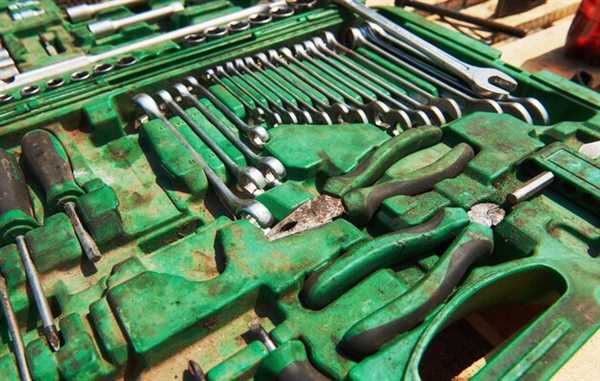
Choosing the right instruments is key to achieving successful outcomes in vehicle restoration. Focus on acquiring high-quality hand tools such as wrenches, sockets, and screwdrivers, as they form the backbone of any repair task. A reliable set of pneumatic tools can elevate your efficiency, particularly when dealing with stubborn components. Their power and ease of use make them indispensable in a challenging work environment.
For bodywork restoration, invest in specialized gear like panel beating hammers and auto dollies. These instruments enable precise shaping and alignment of damaged panels. Additionally, a quality MIG welder can greatly enhance your capabilities, providing strong joints essential for structural integrity after collision damage.
Don’t overlook the importance of diagnostic equipment. A solid OBD-II scanner helps identify electronic issues, saving you time and minimizing trial and error. Coupled with comprehensive repair manuals, these resources empower you to troubleshoot effectively and stay organized throughout the restoration process.
Must-Have Repair Tools for Salvage Projects
A quality impact wrench is indispensable for any restoration project. This power tool allows for quick bolt removal, reducing time spent on disassembly. Look for models with adjustable torque settings to handle various fasteners with ease.
A reliable multimeter is crucial for diagnosing electrical issues in salvaged vehicles. Choose one with a digital display and features like voltage, current, and resistance measurement to troubleshoot wiring problems effectively.
A set of high-quality hand tools, including wrenches, pliers, and screwdrivers, is fundamental. Select tools made from durable materials, ensuring they withstand heavy use during repairs and assembly of components.
A hydraulic jack and jack stands are necessary for safely lifting and supporting vehicles. Invest in heavy-duty options that provide stability while working underneath the car, minimizing safety risks.
Welding equipment is often required for frame straightening and metal repairs. A MIG welder with versatility for various metal thicknesses will facilitate complex assemblies and reinforce structural integrity.
For bodywork, investing in a puller kit is recommended for dent removal. Look for kits that include different pulling attachments designed for specific damages, allowing for precise corrections without harming the surrounding area.
Lastly, an air compressor paired with pneumatic tools can significantly speed up tasks like sanding or painting. Ensure your compressor has sufficient power and capacity to run multiple tools efficiently, optimizing workflow during restoration tasks.
Best Practices for Maintenance of Salvaged Vehicles

Regular fluid checks are crucial. Inspect oil, coolant, brake fluid, and transmission fluid levels every month to ensure optimal performance. Use proper measuring tools to avoid discrepancies.
Inspect the electrical system frequently. Look for loose connections, corrosion, and worn-out wires. A multimeter can help diagnose any electrical issues effectively.
Prioritize tire maintenance. Rotate and balance tires every 5,000 to 7,500 miles to extend their life and enhance handling. Check tire pressure weekly, adjusting it according to manufacturer specifications.
Brake system evaluation should happen at least every six months. Listen for unusual sounds that may indicate wear, and replace brake pads as necessary using quality parts for longevity.
Wash and wax the exterior regularly to protect against rust. Consider using a sealant to provide an additional layer of protection against environmental elements.
Stay on top of body integrity. Inspect areas prone to rust, like wheel wells and undercarriage, and address any minor issues before they escalate.
Utilize high-quality components during repair processes. Cheap parts can lead to frequent failures, negating previous efforts and increasing costs down the road.
Create a maintenance schedule that includes all necessary inspections and repairs, helping to keep records organized and ensuring tasks are not overlooked.
Choosing the Right Equipment for Specific Repairs
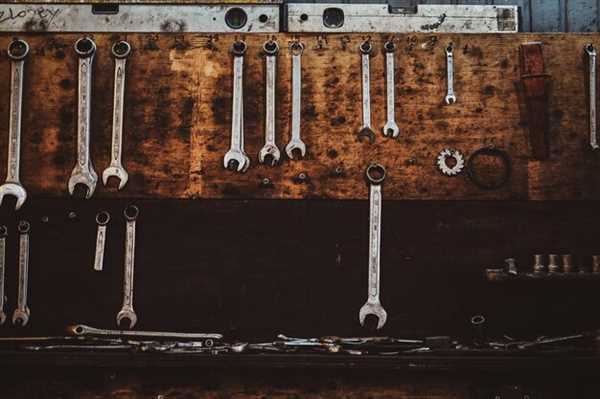
Select quality socket sets for tackling engine components; they provide the precision needed for tight spaces. For bodywork, invest in a dedicated repair hammer and dolly set. These tools help reshape metal effectively without causing further damage.
Utilize a floor jack and axle stands for safely lifting vehicles. This setup allows for safe access during undercarriage inspections or maintenance. A cordless impact wrench can save time on removing lug nuts and bolts quickly.
When working on electrical systems, have a multimeter on hand to diagnose issues accurately. It aids in ensuring proper voltage and continuity throughout circuits.
For painting, airless sprayers offer uniform coverage and less overspray, resulting in a professional finish. Coupling this with high-quality primers and paints will enhance durability.
Lastly, keep a comprehensive tool chest organized, including wrenches, pliers, and screwdrivers. Each tool should be suitable for the specific tasks at hand, ensuring that every maintenance job can be completed without unnecessary delays.
Related Posts

How to Restore a Flood-Damaged Salvage Car
Prioritize safety by thoroughly assessing the extent of water exposure…

How to Find Reliable Mechanics for Salvage Cars
Begin your search by asking for recommendations from friends or…
How to Fix Frame Damage on Salvage Cars
If you’re working on a vehicle with a twisted structure,…