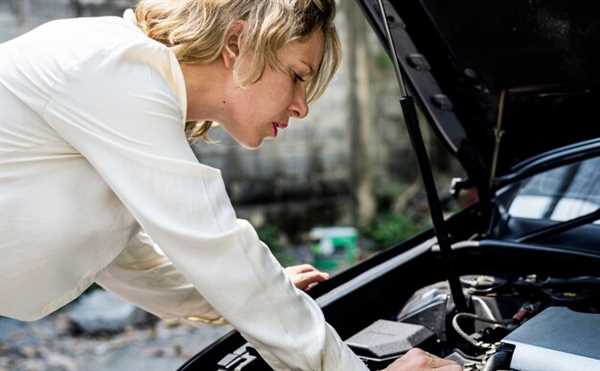
Begin your search by asking for recommendations from friends or online communities focused on automotive repairs. Personal experiences can guide you toward competent technicians who are skilled in handling cars with a history of damage.
Verify the certifications and qualifications of potential repair experts. Look for those who specialize in vehicles that have been salvaged. Checking affiliations with well-known organizations can also enhance confidence in their capabilities.
Request estimates from multiple repair shops to compare pricing and services offered. A transparent breakdown of costs can reveal which technicians provide fair value for their work without hidden charges.
Visit repair shops in person to assess their cleanliness and organization. Well-maintained facilities often indicate a technician’s attention to detail and professionalism. Engage with the staff to gauge their willingness to answer questions and provide insights into the repair process.
Lastly, check online reviews and testimonials. Look for feedback that specifically mentions repair quality and customer service experiences. This information can offer a clearer picture of what to expect from a technician before making a commitment.
Evaluating Mechanics’ Qualifications and Certifications for Salvage Repairs
Verify certifications relevant to automotive repair, such as ASE (Automotive Service Excellence) credentials. These qualifications indicate a mechanic’s expertise in specific areas, enhancing trust in their skills for vehicle restoration.
Check for affiliations with recognized organizations. Membership in associations like the National Institute for Automotive Service Excellence indicates commitment to quality and ongoing education in repair techniques.
Seek out reviews and ratings from previous clients. Platforms like Google Reviews and Yelp provide insights into a shop’s reliability and the quality of work on salvaged vehicles.
Assess the mechanic’s experience with similar projects. A professional who has dealt with wrecks or salvaged units frequently will possess the necessary knowledge to address unique challenges related to such repairs.
Request detailed estimates for repairs. Transparency in pricing and scope of work is a strong indicator of integrity and professionalism.
Consider shop warranties. A solid guarantee on repairs reflects the confidence the technician has in their workmanship, which is particularly important for complex salvage jobs.
Evaluate the facility’s tools and equipment. Advanced tools and technology are necessary for safely handling and repairing salvaged vehicles.
Key Questions to Ask When Choosing a Mechanic for Salvage Vehicles
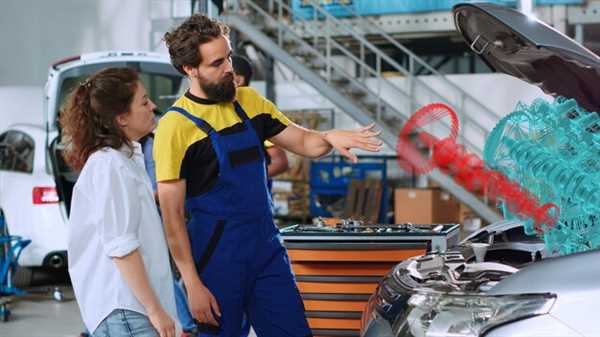
Verify the mechanic’s experience with rebuilt vehicles. Ask how many salvage projects they have handled and inquire about their specific expertise in repairing structural damage.
Request references or testimonials from previous clients who have had similar work done. This can provide insights into the mechanic’s reliability and quality of repair work.
Inquire about warranty options on repairs and parts. A reputable specialist should offer guarantees that assure you of their confidence in the work performed.
Ask about the management of parts sourcing. Ensure that they know where to find quality components suitable for salvaged automobiles, emphasizing the importance of using reliable and safe parts.
Discuss the repair process in detail. A good specialist should explain what steps will be taken, potential challenges, and expected timelines for each phase of the restoration.
Clarify their pricing structure and any potential additional costs that may arise during the repair. Transparency in pricing will help you avoid surprises later.
Check if the technician possesses certifications or specialized training related to salvage vehicle repairs. Credentials can indicate a higher level of skill and knowledge about specific challenges these cars face.
Ask how they handle inspections and certifications required for putting salvage vehicles back on the road. This is crucial for compliance with local regulations and safety standards.
Common Red Flags to Identify in Salvage Car Repair Shops
Always investigate whether a shop provides written estimates before starting any work. If a facility is unwilling to document costs, consider that a warning sign. Transparency is key in the repair process.
Evaluate the facility’s licensing and certifications. Legitimate businesses display their credentials prominently. If you cannot easily find proof of their qualifications, proceed with caution.
Observe the cleanliness and organization of the workspace. A disorganized shop often reflects poor management practices, which can lead to shoddy repairs. A well-kept facility indicates professionalism.
Listen for vague explanations regarding repair processes. If a technician uses jargon without offering clear, understandable information about required work, they might be hiding issues or lack knowledge.
Ask for customer references or check online reviews. A repair shop with a multitude of negative feedback or a lack of recommendations raises serious doubts about their reliability and quality of service.
Be cautious if the shop often pressures customers into immediate decisions, especially regarding potentially costly repairs. A trustworthy establishment should allow you adequate time to consider your options.
Inquire about warranty policies for repairs. If a shop cannot guarantee their work or offer a reasonable warranty period, their confidence in their abilities might be questionable.
Check the availability of original parts versus aftermarket alternatives. A reliance on low-quality components can indicate an effort to cut corners, which could compromise the performance and safety of your vehicle.
Evaluate the communication style of the staff. Consistent and open communication signals a commitment to customer satisfaction. If you encounter dismissiveness or lack of follow-up, it’s a red flag.
Lastly, look for hiding fees. Clear upfront pricing should be a standard practice. If unexpected charges appear without prior discussion, consider that a significant warning sign of untrustworthiness.
Related Posts
How to Repair Salvage Hybrid and Electric Cars
For those considering the journey of fixing a damaged eco-friendly…

How to Restore a Flood-Damaged Salvage Car
Prioritize safety by thoroughly assessing the extent of water exposure…
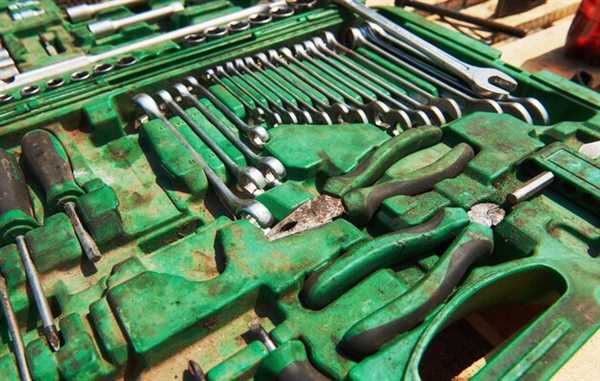
Best Tools for Salvage Car Repairs
Choosing the right instruments is key to achieving successful outcomes…