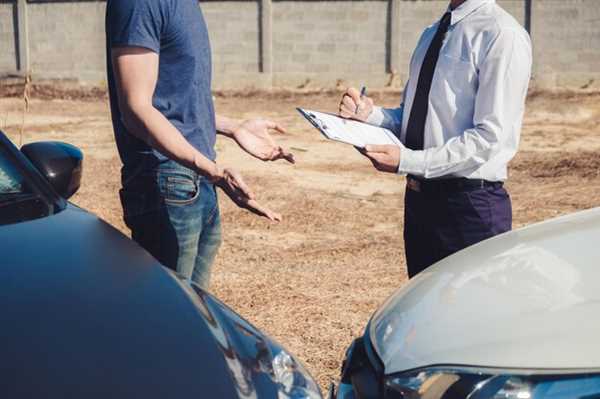
Get a professional inspection before considering any salvage vehicle purchase. A thorough examination will reveal underlying issues, ensuring informed decisions.
Understand the impact of prior damage on the value of a vehicle. Previous incidents can drastically alter price points, influencing potential resale values.
Research state regulations regarding titles and insurance policies related to totaled vehicles. Knowing legalities can prevent future complications and missteps.
Engage with specialists who have experience in reconditioning and repair of salvaged units. Their expertise can guide the restoration process, optimizing safety and performance.
Identify the insurance ramifications post-acquisition. Certain policies may limit coverage options or impose restrictions on salvaged vehicles, affecting potential financial recovery.
Consider long-term ownership expenses, including maintenance and insurance rates, as these factors can significantly affect overall affordability.
Understanding Salvage Car Insurance Policies
Consider obtaining a specialized policy designed for vehicles deemed a total loss. Such a policy typically accommodates the unique status of these vehicles, addressing their resale value and potential repairs.
Prioritize coverage that specifically includes liability and medical expenses. This ensures that any incidents involving the salvaged vehicle are financially safeguarded.
Evaluate the policy limits and deductibles carefully. Lower deductibles may offset repair costs but can increase premium rates significantly, so find a balance that fits your budget.
Inquire about any restrictions on usage or mileage. Some providers may impose conditions that affect how often the vehicle can be driven or where it can be taken.
Always check if the policy covers damage due to fire, flood, or theft, as these risks remain prevalent in vehicles that have been previously salvaged.
Read through the fine print regarding any exclusions or limitations. Understanding what is not covered is paramount to avoid unexpected expenses later.
Stay informed about state-specific regulations, as policies may vary significantly based on local laws related to totaled vehicles.
Criteria for Classifying and Evaluating Salvage Vehicles

Establish a clear framework for assessing vehicles deemed total losses or irreparable. Key criteria include the extent of damage, age, mileage, and prior maintenance records. Each vehicle’s condition is analyzed through a detailed inspection, focusing on structural integrity and operational functionality.
Document any repairs conducted post-incident alongside associated costs. This transparency allows for informed decision-making regarding valuation and resale. Define materials with salvageable parts which retain market value, prioritizing components based on demand and condition.
Consider the vehicle’s previous history, including accident reports and any insurance claims. A vehicle with a clean title may have a higher resale potential compared to one categorized with a salvage designation. Accurate title classification impacts future transactions.
Evidencing the resale market trend for similar vehicles assists in fair evaluations. Monitor online marketplaces and auction results to gauge current values, adapting strategies based on regional demand for specific models.
Ensure alignment with insurance policy specifications during evaluations. Familiarize stakeholders with the implications of salvage titles on coverage and future insurability, thus fostering proper expectations throughout the process.
Insurance Claims Process for Salvage Cars

To initiate a claim for damaged vehicles classified as total losses, promptly document the accident scene with photos and gather all relevant information, including police reports and witness statements. This evidence is crucial in supporting your case for settlement.
Next, contact your provider to notify them of the incident and provide all gathered documentation. Clearly describe the extent of damage and any previous assessments that indicate the vehicle’s value and condition prior to the accident.
Request a detailed inspection of the automobile by an adjuster, who will evaluate the damages and determine the vehicle’s worth based on current market values. Be prepared to discuss past maintenance records and any modifications that might affect valuation.
Assess the offer provided after the inspection. If it seems inadequate, gather additional data on comparable vehicles in your area to negotiate a better settlement. This might involve providing a list of similar models with recent sale prices.
Once a satisfactory agreement is reached, review the necessary paperwork carefully before signing. Ensure clarity on how the settlement affects ownership and any obligations regarding future use or resale of the vehicle.
After acceptance of the offer, follow the instructions provided for finalizing the transaction, which may include transferring the title and completing any official documentation required for the state.
Related Posts
The Future of Salvage Vehicles in the Auto Market
Investing in recovered models can yield significant returns, primarily driven…
Why Flood-Damaged Cars Dominate Salvage Auctions
Be aware that purchasing vehicles affected by water incidents can…

Why Salvage Luxury Cars Are High in Demand
Investing in reclaimed premium vehicles offers an intriguing opportunity for…