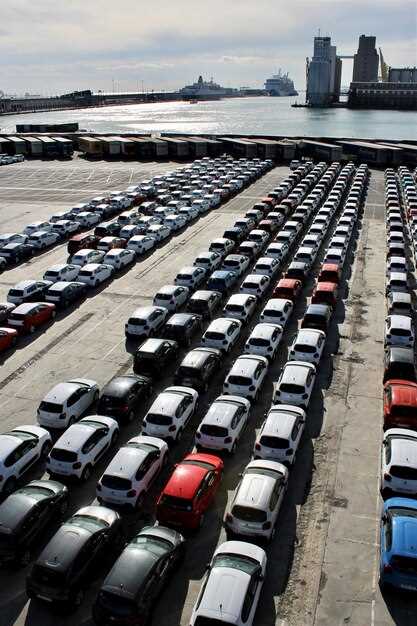
First, verify the legal status of the damaged vehicle intended for overseas transfer. Check if it possesses a clean title or is categorized as a total loss, as regulations can vary significantly between states and destination countries.
Next, obtain a detailed report on the car’s history. Utilizing resources like Carfax or AutoCheck can provide crucial insights into previous accidents, repair history, and ownership changes. This information is invaluable for determining the true value and potential resale prospects in foreign markets.
Engage with certified transportation companies specializing in international vehicle shipping. Ensure they are familiar with compliance requirements and can provide services that include customs clearance and handling paperwork essential for smooth transit across borders.
Finally, prepare all necessary documentation. This typically includes the bill of sale, title, and proof of identification, as well as any specific forms required by the destination country. Accurate and complete documentation can prevent delays at customs and facilitate a seamless transition to the new market.
Understanding Salvage Title Regulations for Export

To successfully deal with vehicles labeled as salvage, familiarize yourself with local regulations in your destination country regarding ownership transfer and re-registration. Many nations impose specific requirements on such vehicles, potentially affecting their eligibility for import.
Verify that the documentation accompanying the vehicle, including the original title and any relevant repair records, is complete. Multiple jurisdictions in the U.S. have varied rules; thus, it’s essential to confirm requirements in both the exporting state and the importing country.
Ensure to obtain clearance from insurance companies and any relevant agencies before finalizing the transfer. This step can include an inspection to assess the vehicle’s condition post-repair. Some jurisdictions may also request a certificate of compliance or verification of repairs before allowing registration.
Check for potential import tariffs or taxes that may apply to the transaction. Some countries impose fees based on the vehicle’s value, weight, or emissions standards, which can impact overall costs.
Maintain transparency throughout the process by being straightforward about the vehicle’s history. Misrepresentation can lead to legal issues in the new location. Buyers should be informed about the extent of prior damages and repairs made.
Review the resale options in the destination country. Certain markets may restrict the resale of vehicles with a salvage history, influencing the investment’s overall profitability.
Steps to Prepare Your Salvage Car for Export

Secure all necessary documentation including the title, bill of sale, and any relevant repair records. Ensure they are translated if required for the destination country.
Remove all personal belongings and any aftermarket modifications. This includes non-standard parts that may not comply with regulations in the purchasing location.
Inspect the vehicle for leaks, especially fuel and oil. Address any issues to minimize hazards during transport.
Take photographs of the exterior and interior, documenting the condition. This will serve as evidence for potential disputes.
Drain excess fluids, especially fuel, to comply with transportation regulations and to reduce weight.
Clean the vehicle thoroughly to avoid the spread of contaminants. Some countries have strict import regulations related to cleanliness.
Contact transport companies experienced in handling non-operational or salvage vehicles. Compare quotes and services before making a selection.
Confirm export regulations for the destination country, including any restrictions or requirements for importing damaged vehicles.
Prepare for customs clearance by organizing required paperwork. This should include import permits if necessary along with transport bills.
Coordinate with your chosen shipping service to understand their specific requirements for loading and securing the vehicle.
Selecting the Right Shipping Method for Salvage Vehicles
Choose between container shipping and roll-on/roll-off (RoRo) options based on the condition and size of your vehicle. Container shipping offers greater protection for damaged units but may incur higher costs. RoRo is generally more affordable and suitable for operational vehicles.
Consider the destination port’s facilities. Some locations may have restrictions on specific types of transportation, affecting your choice. Research local regulations to ensure compliance with receiving country requirements.
Inspect potential carriers for reputation and reliability. Look for companies with experience in transporting damaged vehicles and positive customer feedback. Compare quotes and services, paying attention to insurance coverage and delivery timelines.
Evaluate additional services such as loading assistance and customs clearance. These can streamline the process and reduce delays, ensuring a smoother transaction.
Confirm the shipping arrangements and documentation in advance. Proper paperwork, including titles and invoices, is crucial for smooth transport and customs processing at the destination.
Related Posts

How Much Does It Cost to Ship a Salvage Car
Pricing for moving a recovered vehicle is influenced by various…

How Salvage Exporters Find Buyers Worldwide
Utilize specialized online platforms to showcase products, allowing potential purchasers…

Best Shipping Methods for Salvage Vehicles
When considering the relocation of damaged automobiles, enclosed carriers stand…