
Consider exploring reclaimed vehicles as a smart alternative to conventional options. Statistics indicate that resale values for these rides can be significantly lower, appealing to budget-conscious buyers. The average savings can reach up to 50%, making a compelling case for those seeking reliable transportation.
Several reasons contribute to this increased attraction. Enthusiasts often appreciate the opportunity to restore and customize these vehicles, allowing for a unique driving experience. Moreover, the market has seen a rise in communities focused on sharing tips and resources for restoration, enhancing the overall enjoyment associated with these projects.
As awareness grows, it’s crucial to thoroughly research any potential purchase. Understanding the vehicle’s history and the extent of prior damage is imperative for making informed decisions. Investing in a detailed inspection before buying can provide insights into future repair costs and overall viability.
In summary, the trend towards reclaimed vehicles reflects a shift in consumer preferences. For those who value individuality and cost-effectiveness, this option can prove advantageous, transforming what was once viewed as less desirable into a preferred choice.
Understanding the Financial Benefits of Buying Salvage Cars

Purchasing an auto that has been classified as a total loss can lead to significant savings. Many vehicles on the market are available at a fraction of their original price, offering substantial discounts for buyers willing to take on a project vehicle.
Investing in a repairable wreck allows for potential appreciation over time. Once restored, these vehicles can fetch higher resale values, particularly if they are in high demand or considered collectible. Cars that remain in excellent condition post-repair can serve as an asset rather than a liability.
Insurance premiums are generally lower for rebuilt units, which translates to ongoing savings for owners. Many insurance companies provide reduced rates once the vehicle is restored and inspected. Consequently, these options can improve long-term affordability.
Another financial incentive lies in the possibility of customizing a rebuild. Buyers can choose parts and upgrades that significantly enhance performance or aesthetics, addressing individual preferences without overspending on a new model.
Tax benefits may also apply; in specific regions, individuals purchasing these vehicles for resale can benefit from lower sales taxes. It’s advisable to check local regulations for available incentives.
Lastly, warranties may still be applicable after certain repairs, especially from manufacturers or specific aftermarket providers, offering protection for unexpected expenses. It is wise to review warranty options before committing to a purchase.
Assessing the Risks and Challenges of Salvage Car Ownership
Invest in a thorough inspection before purchasing a vehicle with a damaged title. It’s crucial to evaluate structural integrity and mechanical condition. Utilize trusted mechanics or specialized services for this purpose.
Research market trends to understand the resale value of salvaged vehicles. Many experience depreciation, impacting long-term investment returns. Consider potential repair costs that may arise, as they can quickly exceed initial savings.
Insurance policies for these vehicles can vary widely. Seek options that provide adequate coverage, as some insurers may not offer comprehensive policies for rebuilt models. Understanding your insurer’s stance on salvaged titles is paramount.
Check legal requirements concerning rebuilt vehicles in your jurisdiction. Some regions impose stricter regulations, affecting registration and roadworthiness. Familiarize yourself with local laws to avoid future complications.
Evaluate potential difficulties in obtaining financing. Many lenders hesitate to finance cars with salvage titles, limiting options for buyers. Prepare financially to cover the entire amount without assistance.
Finally, assess the availability of parts for repairs. Older models might face challenges in sourcing specific components. Research the market to ensure necessary repairs can be completed without delays.
Navigating the Car Market: Tips for Finding the Best Salvage Deals
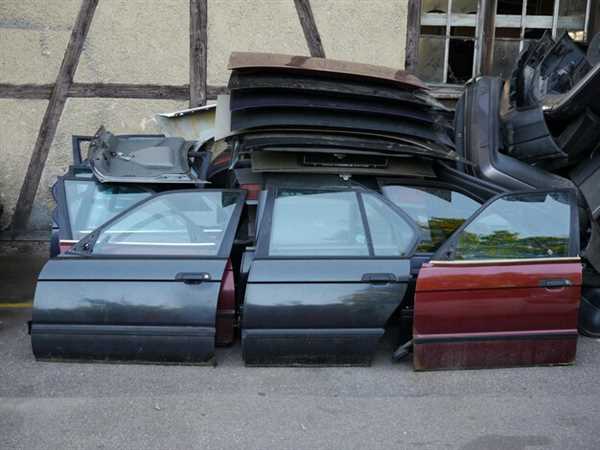
Research reputable sources to identify vehicles with potential for rehabilitation. Websites specializing in classified listings or auction platforms can provide insight into market trends and pricing.
Inspect the vehicle thoroughly or hire a qualified mechanic. Understanding the extent of damage will help in evaluating whether the investment is viable. Pay close attention to structural integrity and core components.
Consider the vehicle’s history through its VIN. Check for past accidents, previous repairs, or whether it’s been a part of a flood or fire incident. This data can save you from unexpected future expenses.
Factor in the cost of repairs. Create a detailed budget that encompasses parts and labor. Compare potential costs against the market value post-repair to assess overall profit or value gain.
Attend local auctions or salvage yards. You may find units that are not listed online. Engage with the sellers; they often have personalized insights about the vehicles and their condition.
Stay patient. It might take time to find the right match. A hasty decision can lead to regrettable outcomes. Watch for price fluctuations and seasonal trends to maximize your chances of a worthwhile purchase.
Network with experienced individuals in forums or social media groups. Engaging with enthusiasts can provide valuable tips and alert you to deals that may not be publicly advertised.
Related Posts

Pros and Cons of Buying Salvage Electric Vehicles
Consider evaluating reconstructed rides as a savvy option for budget-conscious…

Why Flood-Damaged Cars Dominate Salvage Auctions
Be aware that purchasing vehicles affected by water incidents can…

Top 5 Myths About Salvage Cars Debunked
When it comes to salvage cars, opinions often fall into…