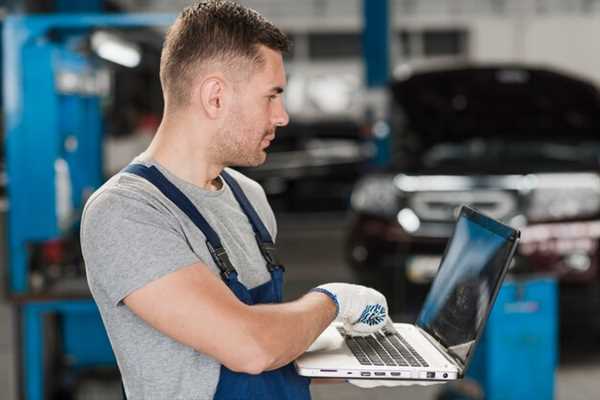
To maximize profit from used vehicle components, prioritize specialized marketplaces tailored for your audience. These platforms attract enthusiasts and repair professionals looking for specific items, ensuring you connect with motivated buyers.
Utilize high-quality images and detailed descriptions to illustrate the condition and specifics of each item. Transparency in the product’s status builds trust and can significantly improve sales velocity.
Engage with your audience through forums and social media groups dedicated to automotive repairs or restoration. Sharing knowledge and experiences will enhance credibility and draw potential buyers eager for trustworthy sources.
Monitor market trends to identify popular makes and models. This insight allows you to make informed decisions on what products to source and list, adapting to buyer interests effectively.
Offering competitive shipping options can also set you apart from other sellers and facilitate quicker transactions.
Sell Salvage Car Parts Online: Best Platforms and Tips
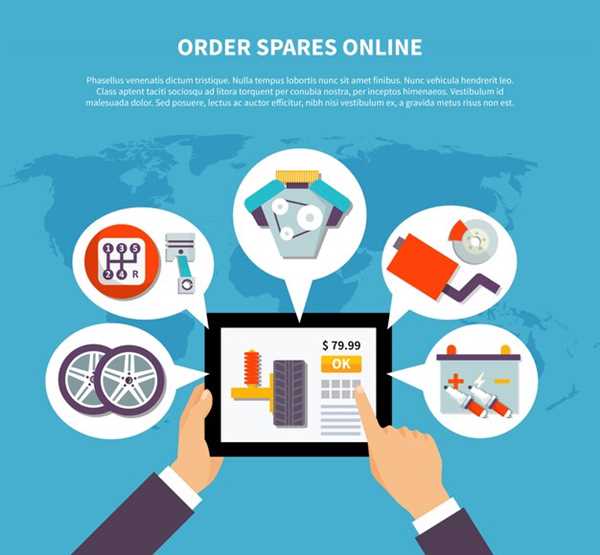
eBay stands out as a leading choice due to its extensive reach and established buyer base. Create detailed listings with clear images and precise descriptions to attract potential customers.
Facebook Marketplace provides a localized selling approach, allowing you to connect with buyers in your area. Utilize high-quality photos and be transparent about the condition of your items.
Craigslist can be effective for direct sales. Keep your listings concise and engage with buyers promptly to facilitate quicker transactions.
Offer competitive pricing based on market research. Check similar listings for guidance and adjust price points to enhance appeal.
Utilize social media platforms to promote items. Share posts in relevant groups or communities where enthusiasts seek specific components.
Build trust by providing accurate information about the origins and conditions of components. Positive reviews enhance credibility, making prospects more comfortable purchasing.
Consider bundle offers to increase sales opportunities. Buyers often seek comprehensive solutions, so package related items together for added value.
Shipping options should be clear. Providing the cost upfront can reduce misunderstandings and improve the purchasing experience.
Engage with potential buyers through direct messaging. Answer questions promptly to establish rapport and increase chances of successful transactions.
Regularly update your inventory. Showcase new arrivals and reduce prices on older stock to maintain interest and encourage sales.
Choosing the Right Platform for Selling Salvage Car Parts
Focus on sites with a dedicated audience for auto enthusiasts and mechanics. Platforms like eBay Motors or specialized auto forums attract users specifically looking for vehicle components. Listing items in niche marketplaces increases visibility among buyers who appreciate the quality of used inventory.
Consider user-friendly interfaces that streamline the listing process. Look for options that allow easy uploads of detailed descriptions, multiple images, and clear categorization. This ensures potential customers can find items quickly, enhancing the buying experience.
Investigate fee structures before committing to a site. Some marketplaces charge listing fees, while others take a percentage of the sale. Calculate potential profits based on these costs to determine the most financially wise choice.
Read reviews of the platforms you’re considering. Feedback from other sellers can reveal insights about customer interactions, reliability, and overall satisfaction. Engaging with communities on social media can also provide valuable information about which platforms yield the best results.
Evaluate the platform’s reach. Local buyers might seek quick pickups, while international shipping could expand your customer base. Ensure the site offers realistic shipping options and support, so logistics won’t hinder sales.
Preparing and Pricing Salvaged Parts for Online Sale
Set accurate prices by researching similar items in the market. Utilize reputable websites to compare listings and gather information on average prices.
Ensure components are cleaned and inspected thoroughly. Identify any damage and highlight the part’s condition in listings.
- Create an inventory list detailing each component, including brand, model, and specifications.
- Take clear, high-resolution photographs showing different angles and details, including any flaws.
- Provide accurate descriptions, emphasizing compatibility and any unique features that might attract buyers.
Consider pricing strategies based on factors such as:
- Condition: New, lightly used, or heavily worn.
- Market demand: High-demand components may warrant higher prices.
- Availability: Rare items can fetch higher values.
Factor in shipping costs when determining final pricing; consider including these in the listing or charging separately. Be prepared to negotiate, as buyers may seek discounts. Assess feedback after sales to refine future pricing strategies.
Maximizing Visibility and Customer Engagement in the Salvage Market

Optimize search engine listings by using high-traffic keywords related to your items. Conduct thorough keyword research to identify specific terms potential buyers are actively searching for.
Utilize social media platforms to showcase unique offerings. Create engaging posts with high-quality images and detailed descriptions. Use targeted ads to reach interested audiences, focusing on demographics likely to purchase your goods.
Participate in relevant online forums and communities dedicated to automotive enthusiasts. Share expertise, answer questions, and subtly introduce your inventory, creating organic interest.
Create informative content such as blogs or videos demonstrating how to use or install various components. This educational approach not only positions you as a knowledgeable source but also enhances trust with potential buyers.
Encourage customer feedback and reviews after transactions. Positive testimonials build credibility, while constructive criticism offers insights for improvement. Engage with customers by responding to their comments and inquiries promptly.
Implement email marketing campaigns targeting previous customers with personalized offers. Highlight new arrivals, discounts, and exclusive deals to reignite interest and foster loyalty.
Related Posts

Best Salvage Engines to Buy
If you're seeking dependable alternatives, consider thoroughly inspected and certified…

Best Salvage Parts for Restoring Classic Cars
Consider sourcing components from reputable auto salvage yards, where vintage…

How Salvage Recycling Helps the Environment
Engaging in the recovery of materials presents a formidable avenue…