
Inspect the suspension system diligently; it often suffers significant stress in damaged vehicles. Worn struts and misaligned components can lead to uneven tire wear and handling issues. Replacing these parts can enhance stability and prolong tire life.
Address the electrical system early on, as wiring problems frequently arise post-accident. Faulty connections can hinder key functions, including lighting and starting mechanisms. A thorough examination may reveal hidden shorts or corrosion that need rectification.
The engine may require immediate attention, especially if the car experienced a collision. Look for leaks or signs of overheating, which may indicate more serious internal damage. Regular maintenance of belts and hoses can prevent future complications.
Don’t overlook the braking system; it often needs a complete overhaul. Worn pads, rotors, and calipers can compromise safety. Inspecting this system regularly ensures that the vehicle responds appropriately in emergencies.
Finally, focus on cosmetic issues, such as bodywork and paint correction. Restoring the appearance not only improves aesthetics but can also enhance resale value. Consider professional services if extensive repairs are needed to achieve a quality finish.
Assessing Structural Damage: What to Look For
Inspect the frame for signs of bending or warping. A damaged frame can lead to alignment issues and affect safety.
Check for rust or corrosion, which can compromise structural integrity. Pay attention to areas under the vehicle and around joints.
Analyze welds and seams; cracks or poorly executed repairs may indicate prior structural issues. Look for inconsistencies in the welding pattern.
Examine doors, hoods, and trunk alignment. Uneven gaps can signal underlying damage from past collisions.
Review suspension components. Struts and control arms must be intact to ensure proper handling and stability.
Inspect the subframe, especially on unibody vehicles. Damage here can lead to significant operational problems.
Look for signs of previous repairs, such as mismatched paint or body filler. Previous efforts might indicate hidden issues.
Perform a thorough test drive to detect unusual sounds or vibrations, which can hint at structural problems requiring attention.
Addressing Electrical System Issues in Salvage Vehicles

Inspect wiring thoroughly; damaged or frayed wires can cause short circuits. Use a multimeter to check for continuity and voltage throughout the system.
Examine the battery condition. A weak or dead battery might not hold a charge. Test with a battery analyzer to determine its health.
Check ground connections; poor grounding can lead to erratic behavior in electronic components. Clean and secure all ground terminals.
Inspect fuses and relays. Replacing blown fuses and malfunctioning relays can restore functionality to electrical systems. Use the vehicle’s manual for proper ratings.
Evaluate the alternator’s functionality. A failing alternator will not recharge the battery efficiently. Test output voltage to ensure it meets specifications.
Consider the condition of the ECU (Engine Control Unit). Corrosion or water damage can impair its operation. If necessary, obtain a replacement from a reputable source.
Look into any aftermarket modifications; improper installations can lead to compatibility issues. Review each component for proper integration within the vehicle’s system.
Engine and Transmission Repairs: Key Considerations
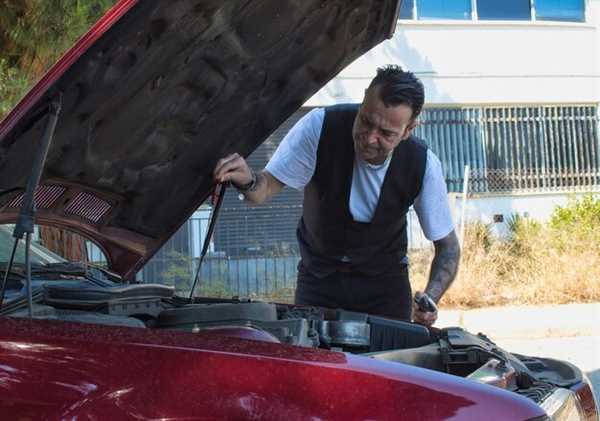
Prioritize thorough diagnostics to identify underlying issues in both engine and gearbox. Listen for unusual noises and monitor performance metrics; these can indicate serious problems.
Check for leaks in gaskets and seals, as they can signify failure points that need immediate attention. Addressing oil or fluid leaks can prevent extensive damage.
Evaluate the condition of belts and hoses. Cracks or wear suggest replacement is necessary to avoid breakdowns. Regular checks can save time and costs on future maintenance.
Inspect the transmission fluid regularly; a burnt smell or dark color often indicates the need for replacement. Ensuring clean fluid is crucial for smooth operation.
Consider the overall maintenance history of the vehicle. A previously neglected engine or transmission will likely require more intensive work than one that has been well taken care of.
Factor in the cost-effectiveness of repairs against the vehicle’s estimated value. Sometimes, extensive work may not provide a reasonable return on investment.
Consult a knowledgeable technician familiar with the specific make and model. Their experience can significantly impact the quality and reliability of the service provided.
Always obtain a detailed quote prior to commencing work. Transparency in pricing helps in budgeting and ensures there are no unexpected charges during the process.
Related Posts

How to Replace Salvage Car Interiors
Begin this task with a thorough evaluation of the vehicle’s…

Top Challenges in Salvage Car Restoration
Approach vehicular rejuvenation with a detailed plan to mitigate common…
How to Fix Frame Damage on Salvage Cars
If you’re working on a vehicle with a twisted structure,…