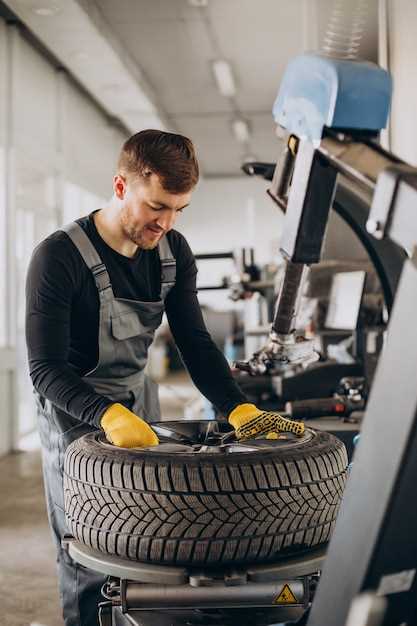
Choosing second-hand components for your vehicle can significantly reduce costs without compromising quality. Pre-owned rims and rubber are increasingly favored for their affordability and reliability. When purchasing used items, it’s crucial to verify their condition and performance capabilities to ensure a safe driving experience.
Inspecting the integrity of pre-owned rims is vital; look for any signs of cracks, bends, or corrosion that may affect functionality. Additionally, assess the tread depth and overall wear on the rubber to guarantee optimum traction and handling. Comprehensive inspections and seeking reputable sellers can help you make informed decisions.
Utilizing recycled options contributes to environmental sustainability, making used components an eco-friendly choice. As demand for eco-conscious solutions grows, the market for refurbished products continues to expand. Consider exploring local salvage yards or online platforms specializing in pre-owned vehicle parts for a broader range of options.
Cost Benefits of Choosing Salvage Wheels
Opting for used components can lead to substantial savings. Acquiring these parts typically costs a fraction of new counterparts. Many drivers have successfully replaced their damaged items without compromising quality, thereby reducing overall expenses.
For example, prices for pre-owned components often range between 30% to 70% less than new parts, depending on condition and demand. This price variation greatly benefits individuals seeking affordable alternatives.
Additionally, buying used wheels helps in sustainability. By repurposing existing items, resources are conserved, contributing to a reduced carbon footprint compared to manufacturing new products.
Another significant advantage is the availability of many options. Many types can be found readily, catering to various makes and models, thus streamlining the search process for compatible items.
Furthermore, considering used tires also minimizes disposal costs associated with purchasing new ones. Since many items are still in excellent condition, buyers can gain considerable value without the worry of added expenses for replacements.
In summary, choosing pre-owned components allows individuals to save money while making environmentally conscious decisions, ensuring practicality without sacrificing quality.
Evaluating Quality in Used Tires: What to Look For

Inspect tread depth carefully; it should be at least 2/32 of an inch for safe performance. Utilize a tread gauge for accuracy.
Check for uneven wear patterns, which could indicate misalignment or suspension issues. Look for worn-out edges or cupping.
Examine the sidewalls for cuts, bulges, or cracks. Any damage here can signify potential failure during operation.
Assess the age by checking the DOT code on the sidewall. Aim for products less than six years old to ensure reliability.
Take a close look at any repairs. Patching punctures is acceptable, but multiple repairs or poor workmanship is a red flag.
Smell for any burning odors or excessive rubber smell, which might indicate overheating or deterioration.
Ultimately, buy from reputable sources that provide history or certifications of the items to ensure quality and safety.
Environmental Impact of Using Salvaged Automotive Parts
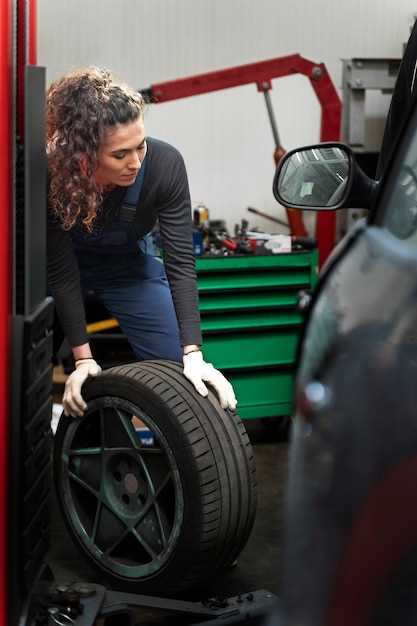
Utilizing reclaimed components significantly reduces landfill waste, contributing to a decrease in environmental pollution. Each set of restored rolling units or rubber coverings can prevent the production of new materials, which often requires extensive resource extraction and energy consumption.
Reusing parts lessens the carbon footprint associated with manufacturing. For example, manufacturing new wheels typically involves high emissions from industrial processes. In contrast, reconditioned items largely eliminate these emissions, as they require less energy for refurbishment than new production.
Furthermore, restoring rolling units and rubber coverings minimizes the depletion of natural resources. Creating new components often relies on mining and drilling, which can lead to habitat destruction. By choosing refurbished alternatives, you support a circular economy that emphasizes resource conservation.
Additionally, employing reconditioned automotive parts contributes to a lower demand for raw materials, driving down the environmental impact of mining activities. This choice reflects a commitment to sustainability while offering economical benefits to consumers.
In conclusion, selecting second-hand automotive components fosters ecological responsibility through waste reduction, conservation of resources, and lower emissions, ultimately paving the way for a healthier planet.
Related Posts
Best Salvage Engines to Buy
If you're seeking dependable alternatives, consider thoroughly inspected and certified…
How to Salvage Rare Car Parts
Begin with a thorough assessment of the components available for…

Best Salvage Parts for Restoring Classic Cars
Consider sourcing components from reputable auto salvage yards, where vintage…