
Investing in reclaimed premium vehicles offers an intriguing opportunity for buyers seeking luxury at a fraction of the original cost. With significant depreciation in value after an accident or damage, these automobiles can often be acquired for much less than their market counterparts. Understanding this market can lead to smart purchasing choices.
The appeal lies not only in the price but also in the potential for restoration. Many premium brands possess parts and standards that make repairs feasible, allowing owners to enjoy a high-performance experience without overspending. Researching the specific make and model can provide insights into parts availability and restoration feasibility.
Another compelling reason for buyers to consider these vehicles is the high-end features that come with brands renowned for their quality. Reclaimed models, with a bit of work, can bring luxurious amenities and high technology back to life, making them attractive options for enthusiasts who prioritize both style and craftsmanship.
In addition, the uniqueness of these vehicles often adds an exclusive touch. Many consumers are drawn to the idea of owning a distinctive model that may no longer be widely available in the market, setting themselves apart from the mainstream.
Understanding the Appeal of Salvage Luxury Vehicles
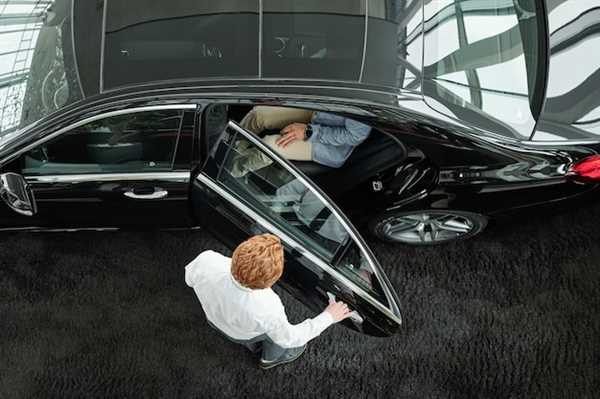
Investing in high-end vehicles with salvage titles can be rewarding. These automobiles often come at a fraction of their original value. Buyers are drawn to the opportunity to own prestigious brands without breaking the bank. The appeal lies not only in the cost savings but also in potential for restoration. Many enthusiasts see these vehicles as projects, allowing for customization and personal touch.
Current trends highlight a growing interest in sustainable choices, making the repair and reuse of damaged vehicles more appealing. Eco-conscious consumers recognize the value of bringing a luxury model back to life instead of contributing to waste. This aligns with the mindset of many modern buyers who prioritize sustainability alongside style.
Quality and performance remain strong selling points. Many vehicles, even if previously damaged, retain their engineering excellence. As long as the necessary repairs are made with attention to detail, these vehicles can perform admirably, rivaling their pristine counterparts.
Inspection and research are crucial. Potential buyers should assess the type of damage, repair history, and any title restrictions. Engaging a trusted mechanic for a thorough examination can prevent unforeseen expenses down the road. Resources and online forums offer insights into ownership experiences, helping guide informed decisions.
Finally, a sense of exclusivity comes with owning a restored vehicle. Luxury models are often seen infrequently on the roads, creating a unique status for their owners. This appeal resonates strongly in communities that value innovation and individuality in automobile choices.
Market Trends Driving Demand for Salvage Luxury Cars
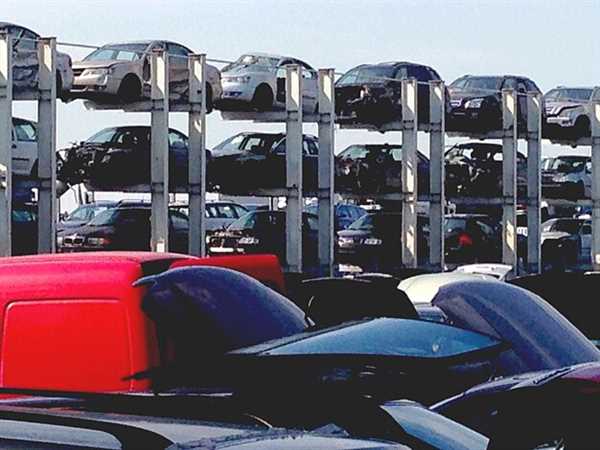
The surge in interest for vehicles categorized as damaged stems from various market dynamics. Buyers are increasingly motivated by cost savings while seeking premium models.
Key trends influencing this shift include:
- Affordability: Consumers are recognizing significant savings on high-value vehicles. Purchasing a damaged item allows access to brands traditionally out of reach.
- Restoration Culture: A growing community dedicated to restoring damaged vehicles is thriving. Online forums and social media amplify this movement, promoting DIY repair and enhancement techniques.
- Investment Potential: Many buyers view these vehicles not only as personal use but also as investment opportunities. A well-restored model may appreciate over time, attracting interest from collectors.
- Insurance Trends: Companies are adjusting policies, sometimes resulting in higher payouts for heavily damaged models. Savvy buyers capitalize on these shifts to secure bargains.
- Environmental Awareness: The upcycling movement aligns with sustainable practices. Choosing to repair instead of discarding contributes to reduced waste and promotes recycling in the automotive sector.
Overall, the combination of economic factors and cultural shifts promotes a sustained interest in vehicles with prior damage. This market evolution suggests Icarus could be a wise play for both personal enjoyment and financial gain.
Challenges and Considerations When Purchasing Salvage Luxury Autos
Conduct thorough research on the vehicle’s history, focusing on the specific damages it endured. Utilize resources such as vehicle history reports to uncover details about prior accidents and repairs.
Evaluate the quality of repairs completed post-accident. Some luxury models may have been restored using subpar parts, impacting performance and safety. It’s advisable to consult with a trusted mechanic who specializes in high-end vehicles before finalizing any purchase.
Always consider potential resale value. Luxury autos tend to depreciate rapidly, and purchased vehicles with a salvage title may lose even more value. Set realistic expectations regarding future resale opportunities.
Review local laws and regulations associated with salvaged vehicles, as they may vary significantly depending on your location. Some regions impose stricter guidelines for registration and insurance, which could complicate ownership.
Factor in the availability of parts and service options. Certain luxury brands may have limited support post-accident, making repairs time-consuming and costly. Prioritize models known for better parts accessibility and service reliability.
Stay informed about market trends. Certain luxury vehicles might become highly sought after despite their salvage status, while others may remain stagnant in value. Monitoring the market can help you make better investment choices.
Related Posts

Pros and Cons of Buying Salvage Electric Vehicles
Consider evaluating reconstructed rides as a savvy option for budget-conscious…
Why Salvage Cars Are Becoming More Popular
Consider exploring reclaimed vehicles as a smart alternative to conventional…

How Salvage Cars Impact the Environment
To mitigate the negative impact of abandoned vehicles, it is…