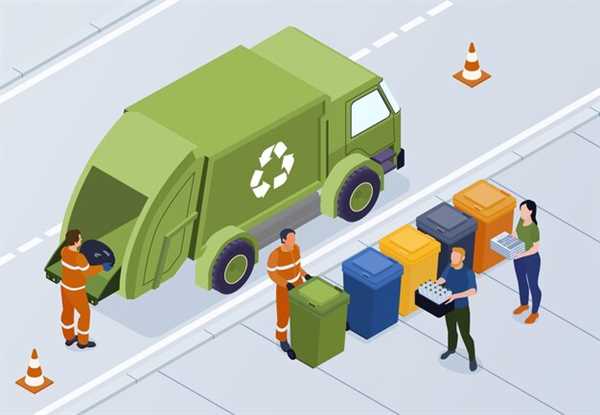
To maximize profits in vehicle recovery operations, focus on sourcing vehicles with high material value. Assess market prices for metals–aluminum, steel, and copper–prior to acquisition. Establish solid relationships with local scrap yards to ensure competitive rates for materials extracted post-dismantling.
Implement a rigorous inspection process to identify reusable parts. Components such as engines, transmissions, and electronics can significantly boost revenue if resold directly or refurbished. Create an inventory system to track and manage these parts efficiently.
Invest in eco-friendly processes that appeal to environmentally conscious consumers. Proper certification and communication regarding sustainable practices can enhance brand reputation and increase customer trust, further driving sales and growth in this sector.
Cost-Benefit Analysis of Salvage Car Recycling Operations
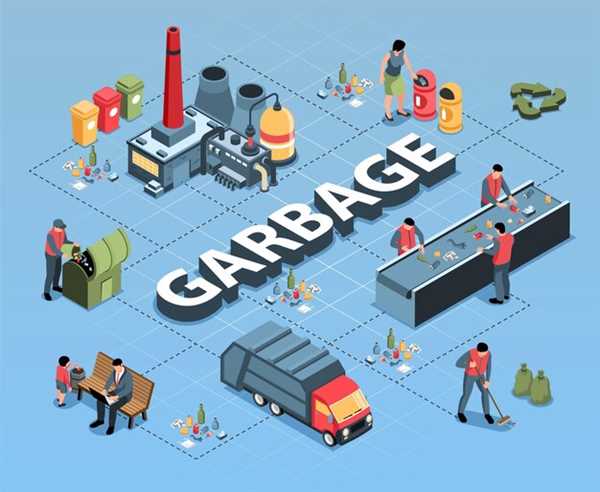
Implement a thorough financial assessment highlighting potential savings from dismantling vehicles and reclaiming usable materials. Calculate direct costs, including collection, processing, and labor, then juxtapose these figures against revenues generated from selling refurbished parts and raw materials.
Consider the environmental benefits, as reduced landfill impact lowers disposal fees and complies with governmental regulations. This compliance can also minimize fines and enhance a company’s reputation, ultimately leading to increased consumer trust and sales.
Factor in the volatility of market prices for metals and components. Establish strong partnerships with local dealerships and automotive parts suppliers to stabilize income. Track trends in material demand to adjust operations accordingly.
Evaluate investment in technology for efficient dismantling and sorting processes. Higher initial costs can lead to greater long-term savings through improved operational capabilities and reduced labor requirements.
Analyze potential incentives provided by local governments for environmentally friendly practices, as these can effectively offset operational expenses. Engage with stakeholders regularly to identify additional funding opportunities.
Regularly assess the operational workflow to identify and eliminate bottlenecks, ensuring resource allocation aligns with market conditions. Continuous improvement processes can enhance profit margins and sustainability.
Market Trends and Pricing Strategies for Recycled Auto Parts
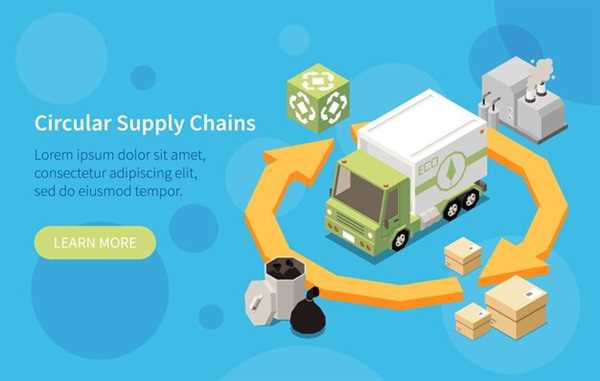
Focus on competitive pricing by closely monitoring local and regional market conditions. Research buying patterns and preferences for various components to adjust prices dynamically, ensuring alignment with demand fluctuations.
Leverage online platforms for broader reach. Establish partnerships with e-commerce sites to list products, enhancing visibility and facilitating easier price comparisons for potential customers. This strategy can drive sales while helping to maintain competitive rates.
Analyze historical sales data to identify top-selling parts and emerging trends. Use this information to optimize inventory management. Prioritize production of high-demand items to minimize holding costs and maximize turnover rates.
Implement tiered pricing models based on product condition and demand levels. Offer discounts on bulk purchases to attract businesses in the automotive repair industry, fostering long-term relationships while driving significant volume sales.
Stay informed about regulatory changes affecting the sector. Adapt pricing and sourcing strategies accordingly to maintain compliance and competitiveness in a constantly shifting marketplace.
Utilize social media and digital marketing techniques to educate consumers about the benefits and savings associated with using refurbished components. This awareness can increase demand and justify premium pricing for high-quality parts.
Regulatory Impact on Salvage Vehicle Valuation and Recycling Practices
Implementing strict compliance with local and national regulations is crucial for optimizing valuations of damaged automobiles. Entities must actively engage with governing bodies to ensure alignment with current policies. Regular audits and updates on compliance are recommended to facilitate smooth operations.
- Establish a routine review of state-specific guidelines regarding vehicle title branding to accurately assess worth.
- Utilize certified appraisers familiar with regulatory requirements to determine realistic market value.
- Incorporate recycling standards set forth by environmental agencies to enhance material recovery processes.
- Adhere to safety regulations related to hazardous materials disposal to minimize liabilities.
Market dynamics can shift based on regulatory changes. Keeping stakeholders informed about new laws or amendments is essential. Investing in training for staff on compliance can mitigate risks and elevate operational standards.
- Monitor national and local legislation regarding vehicle disposal and environmental safety.
- Engage in community forums to discuss best practices for sustainable vehicle processing.
- Collaborate with industry associations to stay updated on compliance resources and guidelines.
In summary, proactive engagement with regulatory frameworks enables better valuation of wrecked vehicles while enhancing recycling initiatives, ultimately leading to improved profitability and environmental responsibility.
Related Posts

Why Salvage Wheels and Tires Are Popular
Choosing second-hand components for your vehicle can significantly reduce costs…

How to Find Quality Parts in Salvage Yards
Inspect the inventory of local junkyards before seeking out expensive…

How to Salvage Rare Car Parts
Begin with a thorough assessment of the components available for…