
Prior to acquiring a damaged automobile, ensure a thorough inspection of its history. Securing a comprehensive vehicle history report is crucial to identify previous accidents, title status, and any outstanding liens. This document provides clarity on the car’s condition and potential limitations.
Assess the potential for hidden issues that may arise post-acquisition. Engage a qualified mechanic to conduct a detailed evaluation, focusing on structural integrity and overall functionality. Any overlooked repairs can lead to costly surprises later, so investing in a professional assessment is wise.
Review state regulations surrounding re-registration and insurance for wrecked automobiles. Certain jurisdictions impose specific requirements or restrictions on these types of cars, affecting your ability to drive or resell. Understanding local laws will prevent legal complications and ensure compliance.
Lastly, consider the financial aspects closely. Salvaged vehicles often have lower resale values, which may impact your future selling price. Factor in repair costs and potential liability to make a well-informed decision that aligns with your budgetary constraints.
Evaluating Title Issues and Rebuilding Requirements
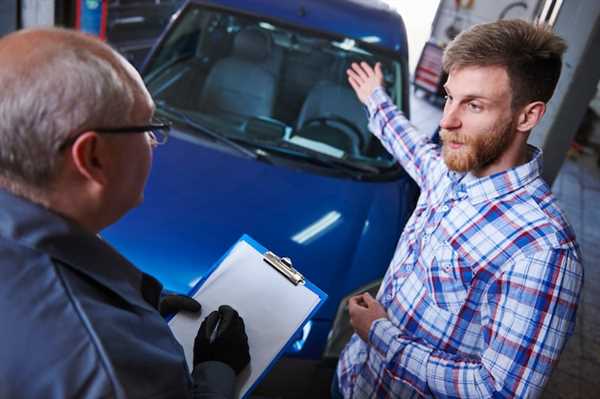
Before making a purchase, verify the title status of any damaged automobile. It should clearly indicate whether it’s classified as a total loss or has been rebuilt. Obtain a copy of the title and analyze any brands or restrictions that may affect future transactions or insurability.
Assess the specific rebuilding regulations in your state. Some jurisdictions mandate inspections following repairs, while others may have a streamlined process. Contact your local Department of Motor Vehicles for guidance on necessary paperwork and criteria for re-registering the car.
Develop a checklist for evaluating essential components, such as frame integrity, safety features, and mechanical reliability. Accurately document all repairs and obtain receipts, as this documentation will be crucial for inspections and future resale.
Lastly, consider potential challenges arising from your buy. If you intend to finance or insure the car, make sure to consult with lenders and insurers regarding their policies on rebuilt titles. Failure to do so could lead to unexpected complications down the line.
Identifying Fraudulent Practices in Salvage Transactions
Research the vehicle’s history through reliable sources like CARFAX or AutoCheck to verify the reported damage. Ensure that the name on the title matches the seller’s identification; inconsistencies often indicate fraud.
Request multiple photographs showing the extent of damage and any repairs undertaken. A lack of detailed images can suggest deceptive practices.
Inspect the documentation thoroughly. Watch for discrepancies in mileage reports or unexpected salvage titles that could imply a hidden past.
Always question the pricing. If a deal seems too good to be true, it likely is. Compare similar models to determine fair market value.
Engage a trustworthy mechanic to conduct a pre-purchase inspection. An expert evaluation can uncover potential issues overlooked by the seller.
Be wary of sellers who pressure you to make quick decisions. Genuine transactions allow ample time for due diligence.
Report any suspicious behavior to local authorities or consumer protection agencies. Ensuring others are aware can prevent further fraudulent activities.
Navigating Insurance and Liability Considerations

Before committing to a transaction involving a damaged automobile, verify the insurance policy’s coverage on such assets. Many insurers impose restrictions or exclude total-loss units from coverage, resulting in unexpected financial obligations.
Request a history report that details prior incidents affecting the automobile, including water damage or extensive repairs. This document provides insight into potential claim disputes or future costs related to repairs.
Consult with a qualified professional or agent specializing in non-standard insurance to gain clarity on your obligations and potential coverage limitations. Knowledge of state-specific legislation concerning ownership and insurance for non-operational automobiles is crucial.
Confirm how liability is allocated in your purchase contract. If a third party sustains harm involving the vehicle post-transaction, liability could revert to the purchaser unless clearly delineated otherwise.
Additionally, assess whether the asset can be resold and whether the state’s regulations require notifying the future buyer about its restored status. Failing to disclose pertinent details might lead to legal disputes down the road.
Finally, keep thorough records of all communications, contracts, and evaluations related to the purchase. This documentation serves as a safeguard against potential claims or legal actions that may arise from future incidents involving the automobile.
Related Posts

How to Check if a Salvage Car Has Liens
Prioritize the verification of existing financial obligations before committing to…
How to Register a Salvage Vehicle
Gather all necessary documentation first, including the vehicle title, bill…
Insurance Options for Salvage Title Cars
Prioritize researching specialized policies tailored for reconstructed cars. Standard plans…