Prioritize obtaining a detailed background documentation for any salvaged auto before making a purchase. This analysis provides critical insights into previous damages, repairs, and other significant incidents that may affect the vehicle’s future performance and resale value.
Verify the report from reputable sources that compile comprehensive details on an automobile’s past. Look for specifics regarding accidents, insurance claims, and any title alterations that indicate a salvaged status. Reliable documentation can help you assess whether the price reflects the actual value.
Be aware of potential red flags within these documents. Signs of repeated repairs or inconsistent details can point to ongoing problems that might not be immediately visible during a physical inspection. An informed decision relies on crunching the numbers and weighing the potential risk versus the cost savings.
How to Interpret Key Information in Salvage Vehicle History Reports

Examine the title branding on the document. A vehicle marked as salvage may indicate past significant damage, affecting value and safety.
Assess the incident history carefully. Look for details on accidents, theft, or natural disasters. Specific information will provide insight into the condition prior to current ownership.
Review ownership changes. Frequent transfers can suggest rapid turnover or difficulties with reliability.
- Check for odometer discrepancies. This may reveal potential fraud or misrepresentation.
- Look at repair records. Comprehensive documentation indicates thorough and professional restoration efforts.
- Evaluate inspection results. Regular inspections reflect potential dedication to maintenance and safety.
Confirmation of title status is critical. Ensure it meets local regulations regarding registration and resale. An outstanding title can lead to complications during transactions.
Finally, examine manufacturer notifications. Recalls or safety alerts related to the specific model should be addressed, ensuring compliance for safe operation.
Identifying Red Flags When Evaluating a Salvage Vehicle
Inspect the title for any mentions of “salvage” or “total loss” as these indicate significant prior damage. Check for inconsistent mileage; a drastic change may suggest tampering. Examine the report for flood damage, as this can cause long-term issues that may not be immediately visible.
A history of multiple owners in a short time frame often signifies problems with reliability. Seek any reports of major accidents; a vehicle involved in severe collisions can have structural integrity concerns. Investigate the extent of repairs documented in the record; excessive or poor-quality repairs can lead to future complications.
Utilize vehicle identification numbers (VIN) to trace past incidents and confirm authenticity. A pattern of repeated repairs for similar issues can indicate persistent mechanical failures. Pay close attention to discrepancies between reported repairs and visual condition; mismatched information raises suspicion.
Be wary of low prices that seem too good to be true; they can signal hidden risks. Prioritize obtaining an independent inspection, especially if the report shows any significant past damage. This extra step provides additional assurance regarding safety and performance.
The Importance of Verifying a Vehicle’s Salvage Status Before Purchase
Always confirm a car’s rebuilt designation prior to any agreement. Obtaining a thorough examination of its background can reveal whether it has undergone significant repairs following damage due to accidents, theft, or natural disasters.
Request a detailed account from reliable sources, as discrepancies in the documentation can lead to unforeseen expenses down the line. Vehicle identification numbers (VINs) play a critical role in tracing previous incidents and ownership history.
Analyze the condition of critical components such as the frame and engine. If previous incidents have been reported, you might encounter hidden defects or safety concerns that can compromise performance and reliability.
Consider the impact of a wrecked past on resale value. Many buyers are hesitant to invest in cars with a troubled background, which could lead to difficulties recovering your expenditure should you wish to sell later.
Always approach with caution; receiving a subpar asset can dramatically affect your driving experience and financial stability. Prior knowledge is your best ally in making intelligent purchasing choices.
Related Posts
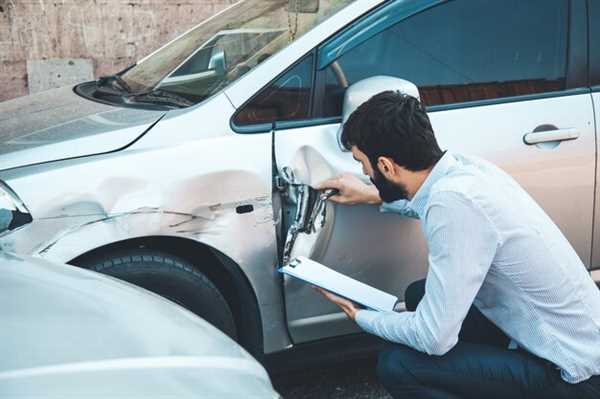
How to Check Frame Damage on a Salvage Vehicle
Inspect any automobile with a questionable history by examining its…

Best Types of Salvage Cars for Budget Buyers
Buying a car is a major financial decision, and for…

Best Salvage Cars Under $5000
Considering your budget, exploring options in the lower price range…