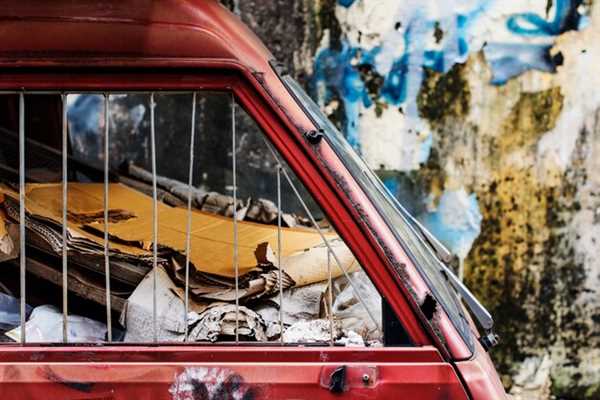
Water-impacted vehicles often come with hidden risks that can lead to significant repair costs down the road. If you’re considering a vehicle with such issues, it’s critical to conduct a thorough inspection. Look for signs of rust, mold, or electrical failures, as these can indicate extensive damage that may not be repairable.
On the other hand, cars that have suffered impacts in accidents may present a more transparent picture of their condition. Inspecting the frame and alignment can reveal how badly a car has been affected by collisions. However, be cautious of extensive frame damage, which can compromise vehicle integrity and safety.
Understanding the reconditioning history of both types can guide your decision. Vehicles restored from water damage may have undergone aggressive remediation processes, while those repaired after collisions might have records outlining specific fixes. Always request a detailed report to help assess potential issues before making a purchase.
Understanding the Long-Term Impacts of Flood Damage on Vehicle Performance
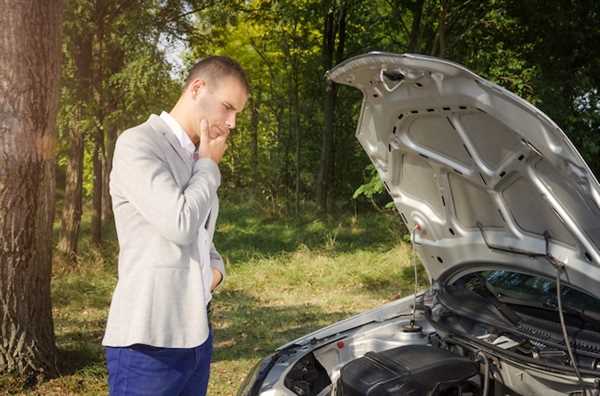
Purchase of vehicles exposed to water events can lead to significant challenges. Long-term effects of water exposure often manifest in various performance issues.
1. Electrical System Failures: Water can corrode wiring and components. Over time, this may lead to malfunctions in essential systems such as lights, radio, or safety features. Regular checks of electrical systems are necessary.
2. Engine Damage: Inundation may introduce contaminants into the engine. This can compromise lubrication and lead to premature wear or even complete engine failure. Consider frequent oil changes and engine inspections.
3. Transmission Issues: Water can affect transmission fluid, especially if submerged. This results in shifting problems and decreased lifespan. Monitoring fluid levels and performance is paramount.
4. Suspension and Frame Concerns: Prolonged exposure can promote rusting or deterioration of suspension components and the vehicle’s frame, which results in compromised safety. Inspect these areas for signs of corrosion and seek professional evaluation.
5. Interior Damage: Water intrusion affects upholstery, electronics, and insulation. Mold and mildew growth can not only deteriorate materials but also pose health risks. Regular cleaning and maintenance may be required.
6. Braking Performance: Flood exposure can lead to brake system impairments including uneven wear or loss of hydraulic efficiency. Regular assessments of brake pads and fluid are advised.
Consider obtaining an independent evaluation from a trusted mechanic to assess potential issues before purchasing a vehicle known to have experienced water damage. Investing in a thorough inspection can save significant costs and ensure safety.
Evaluating Repair Costs and Insurance Implications for Collision Salvage Cars
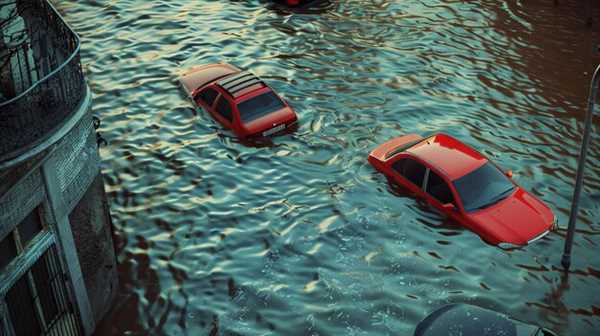
To accurately assess repair expenses for vehicles with prior impacts, it’s critical to obtain detailed estimates from qualified mechanics. Focus on structural damage, which often requires specialized labor and parts. Keep in mind that certain repairs may not be visible initially, leading to potential additional costs.
Know which components are most frequently affected: body panels, suspension systems, and electronic systems. Getting a second opinion on expensive repairs may uncover more cost-effective solutions.
Insurance considerations are paramount. Check if your insurer offers coverage for these types of vehicles, as policies can vary significantly. Typically, comprehensive coverage may not apply to cars with significant prior damage. Understanding your provider’s stance helps prevent unexpected expenses post-purchase.
Evaluate the car’s history report, looking for previous claims and repairs. This document provides insight into both the vehicle’s past conditions and potential future liabilities. If a car has undergone extensive repairs, it might indicate higher insurance premiums due to increased risk perception.
Invest time in researching ratings from trusted organizations that assess vehicle reliability after repairs. Higher ratings can correlate with fewer problems and lower long-term maintenance costs.
Always factor in resale value. Vehicles that have been in prior accidents typically depreciate faster than their undamaged counterparts. Assess how this will impact your financial strategy if you plan to sell or trade the car in the future.
Assessing Resale Value and Market Demand for Flood vs Collision Cars
Flood cars typically suffer from extensive electrical and structural issues, leading to a significant drop in resale value. On average, a vehicle with water damage can be valued at 20-40% less than a comparable model without such history. Buyers tend to be wary of potential hidden damages that may arise later, impacting long-term market demand.
In contrast, vehicles involved in collisions usually present more straightforward issues, often limited to bodywork and specific mechanical components. Resale values for these vehicles can be higher than their flood-damaged counterparts, especially if repairs are well-documented. A car with a documented collision history may retain around 10-25% loss in value compared to non-accident vehicles.
The market often favors collision cars due to higher buyer confidence in repair transparency. Reputable repair records can help recoup some of the depreciation caused by the accident, making these options more appealing. Flood vehicles, plagued by negative perceptions and potential long-term issues, struggle to attract interest in competitive markets.
If considering resale, prioritize models with collision history over those impaired by water, as the latter often lead to limited demand and reduced resale prospects. Ensure thorough inspections and accurate documentation to enhance the appeal of whichever option you consider.
Related Posts

Top Mistakes to Avoid When Picking a Salvage Car
Prioritize a thorough inspection before finalizing any deal on a…

Best Salvage Cars Under $5000
Considering your budget, exploring options in the lower price range…

Best Types of Salvage Cars for Budget Buyers
Buying a car is a major financial decision, and for…