
Inspect any automobile with a questionable history by examining its backbone for unseen flaws. A precise evaluation can prevent future complications and safeguard your investment.
Begin the inspection by employing a reliable measuring tool. Verify whether the dimensions align with the manufacturer’s specifications. An inconsistency may indicate prior incidents that led to misalignment, affecting the overall integrity of the automobile.
Next, scrutinize the welds and joints for signs of repair or corrosion. Cracks or uneven surfaces could signal past impacts. Take note of any areas exhibiting rust, as this often correlates with structural vulnerabilities.
Look for replacement parts that may have been used to patch areas of concern. OEM components ensure a snug fit, whereas aftermarket parts might compromise the framework’s stability. Proper documentation can also provide insights into prior restorations.
Lastly, seek a professional opinion if any uncertainty arises. Specialists can conduct an in-depth inspection, utilizing advanced tools to uncover hidden discrepancies that may not be immediately visible.
How to Identify Frame Damage During a Salvage Check
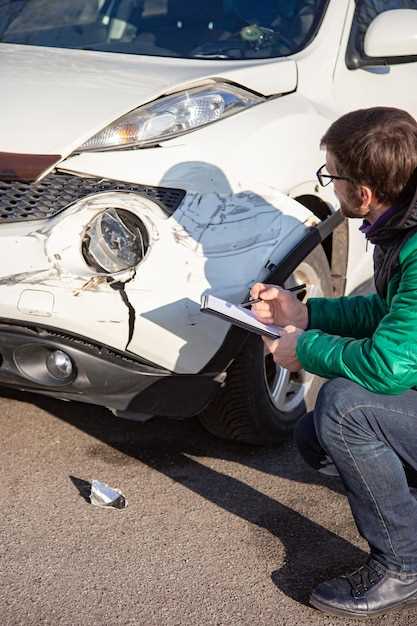
Inspect the underside of the automobile for any irregularities or bends. Look for signs of welding or repairs that seem out of place, as these can indicate previous alterations.
Utilize a straightedge or laser tool to check alignment across various points on the chassis. Misalignment can suggest a compromised structure, warranting further investigation.
Examine mounting points for suspension and drivetrain components. Discrepancies in how these parts are secured can reveal underlying issues.
Check for rust, especially around joints and seams. Rust can lead to weakening and potential failure points in the framework.
Perform a visual inspection for cracks or breaks, paying special attention to high-stress areas like the crossmembers and rocker panels.
Assess whether all four tires are wearing evenly. Uneven wear patterns may indicate structural issues that could stem from impact or misalignment.
Review any available repair history documentation. Previous repairs can provide insight into potential problems and inform your assessment.
Consult professionals if any signs of structural compromise are evident. Their expertise can provide a clearer understanding of the implications of the observed issues.
Tools Required for Assessing Frame Integrity on Salvage Vehicles

When evaluating structural soundness, specific instruments are necessary to provide accurate insights. A laser measuring tool determines precise dimensions and identifies misalignments easily. Utilize a plumb line to verify vertical alignment; this simple tool can reveal inconsistencies in the chassis.
Employ a tape measure for measuring key dimensions from reference points. Measuring tools should include a caliper to assess narrower spaces and check for deformation in tighter areas.
A wrench set allows for the examination of bolt tightness and the condition of attached components. Body hammers and dollies help manipulate metal back to original shapes during the inspection process. Always have a creeper to facilitate access underneath the structure comfortably.
To detect concealed issues, a magnifying glass aids in spotting tiny fractures and weld faults. A flashlight or inspection lamp brightens dark areas, ensuring thorough visibility. For more complex analyses, consider digital tools like a computerized alignment system, which offers high-precision readings.
Finally, a notebook or tablet for documentation captures findings as you perform assessments, making record-keeping seamless. With the right tools at hand, thorough evaluations can proceed smoothly, ensuring structural integrity is fully understood.
Common Signs of Frame Damage to Look For in Salvage Cars
Inspect for uneven gaps between body panels; this often indicates structural issues. Check the alignment of doors and windows–if they stick or do not close properly, it may suggest a compromised structure.
Look for any signs of rust or corrosion on metal parts; excessive rust can weaken the structural integrity. Inspect underneath the vehicle for bent or crumpled components, as these can signal previously incurred stress.
Observe the welds; if they appear uneven or poorly executed, it could mean repairs were not performed correctly. Additionally, check for any signs of previous welding in areas that typically should remain intact.
Take note of unusual noises when driving; clunking or creaking sounds could indicate misalignment. Lastly, verify the suspension components–if they show signs of wear or damage, this may relate to issues with the entire structure.
Related Posts

Best Salvage SUVs Worth Buying in 2025
Consider focusing on models from reputable automakers known for their…
How to Read a Salvage Vehicle History Report
Prioritize obtaining a detailed background documentation for any salvaged auto…

Guide to Choosing Salvage Trucks for Work Use
Prioritize the vehicle’s condition. Inspect body integrity, functionality of the…