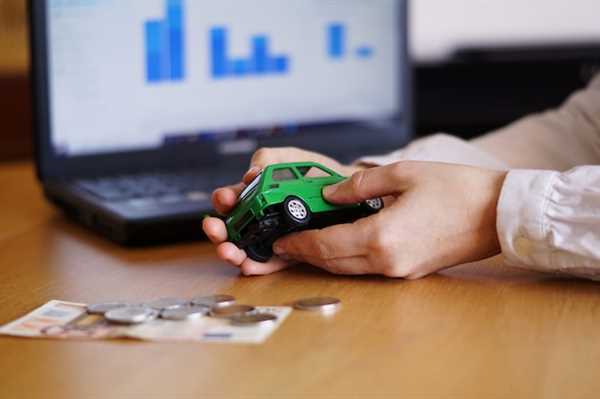
For savvy buyers, focusing on the financial aspects of damaged and previously-owned vehicles is paramount. When evaluating potential purchases, one must recognize that the average rates for these automobiles can diverge significantly based on various factors. An in-depth assessment reveals that vehicles classified as damaged often present an affordability advantage, but this comes with its own set of challenges.
Investigation into the condition, extent of repairs needed, and legal status can dramatically influence the financial commitment. It is not uncommon to find rebuilt models attracting a fraction of the price compared to their roadworthy counterparts. However, it is essential to analyze the long-term implications of such investments, ensuring comprehensive coverage and maintenance remain viable.
The availability of market data can aid in decision-making. Typically, a thorough comparison between damaged and certified pre-owned vehicles reveals a broad spectrum in pricing. Potential owners can save considerably if they approach this purchasing avenue with caution and informed judgment. Diligent research and a clear understanding of future costs will facilitate a prudent purchase.
Understanding Salvage Titles and Their Impact on Pricing
Research values associated with vehicles labeled with salvage designations. These classifications can significantly affect the resale value, making thorough examination crucial.
Points to consider regarding salvage titles:
- Vehicles designated as salvage typically offer lower market value due to their history of significant damage or insurance claims.
- Investigation into the repair status is essential. Vehicles repaired to a safe operational state may hold more value compared to those in need of extensive work.
- Regional market trends influence value perception. Buyers in some areas may be more accepting of salvage titles than in others.
- Documentation of repairs enhances trust. Having evidence of quality restoration can improve a vehicle’s appeal, even with a salvage title.
Understanding how these titles affect demand can aid in strategic buying or selling decisions.
Recommendations for potential buyers:
- Conduct a history report to uncover previous damages and repairs.
- Get a professional inspection to assess current condition and safety features.
- Compare similar models without salvage titles to evaluate potential savings versus risks associated with purchasing a vehicle with a salvage label.
- Be prepared to negotiate. Given the stigma associated with salvage titles, buyers may have room to seek a better deal.
Being informed about the implications of salvage labels can lead to more favorable transactions.
Factors Affecting the Resale Value of Used vs. Salvage Cars

Condition plays a pivotal role in determining resale worth. Vehicles in pristine shape command higher prices, regardless of their history. Carefully inspecting components, such as the engine, transmission, and bodywork, is crucial.
The vehicle’s mileage significantly influences its market value. Generally, lower mileage equates to higher resale potential. Buyers prefer models with minimal wear, associating them with longevity and reliability.
Availability of documentation also impacts desirability. A comprehensive service history and clear title can boost confidence among buyers, enhancing perceived value. Conversely, incomplete records may deter potential purchasers.
Market demand cannot be overlooked. Certain makes and models maintain stronger appeal, which directly affects resale figures. Conducting thorough research on trending models can yield profitable outcomes.
Age is another determinant; newer vehicles typically have better resale prospects. Older models with extensive wear may struggle to attract buyers, regardless of their initial value.
Customization can have a mixed effect. While unique modifications may appeal to specific buyers, they often deter a wider audience. Keeping modifications moderate may aid in retaining a broader resale market.
Repair history influences buyer perception substantially. Instances of significant structural damage may lower interest substantially. Buyers often seek assurance that a vehicle has not experienced catastrophic issues.
Geographic factors come into play as well. Some regions favor specific types or styles of vehicles. Understanding local preferences can assist in setting more accurate resale expectations.
Ultimately, these aspects contribute collectively to the resale value, defining how much one can realistically expect when selling their asset in either category.
Tips for Evaluating Whether a Salvage or Used Car is a Better Investment

Assess the repair history of a vehicle labeled as damaged. Verify the extent of past incidents and repairs through reliable service records.
Obtain a detailed vehicle history report. This document highlights prior accidents and service milestones, assisting your analysis.
Examine the resale potential of each option. Vehicles with clean titles typically retain higher market value compared to those marked as reconstructed.
Calculate projected maintenance costs. Vehicles requiring extensive repairs may incur ongoing expenses that overshadow initial savings.
Review warranty options. Some pre-owned vehicles offer manufacturer warranties, while those needing significant work might have limited coverage, impacting long-term financial planning.
Consult with a trusted mechanic. A professional inspection can reveal potential issues that may not be immediately visible, aiding in a more informed decision.
Analyze your own risk tolerance. If stability and reliability are priorities, a vehicle with a clean title may provide greater peace of mind than a car with a recovery designation.
Consider your intended use. If the vehicle will be driven daily, opting for a more reliable, pre-owned option may be prudent to avoid frequent repairs.
Related Posts
Top 5 Ways to Cut Repair Costs on Salvage Cars
If you're looking to manage your spending on vehicle fixes,…
How to Save Money on Transporting Salvage Cars
To optimize expenditures on moving damaged vehicles, consider utilizing a…

How Salvage Cars Can Save You Money
Opt for purchasing vehicles that have been previously damaged, as…