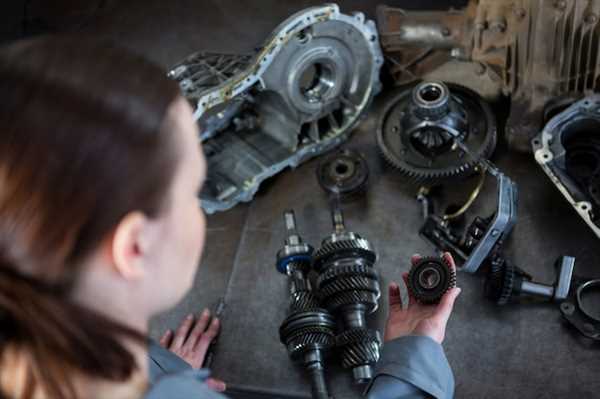
If you’re seeking dependable alternatives, consider thoroughly inspected and certified used power units. Look for options that come from reputable suppliers who guarantee quality and reliability in their offerings.
Models such as the Ford Triton V8 are often available in salvage yards and provide excellent torque and longevity. Similarly, the GM LS series has gained a strong following due to its versatility and the abundance of aftermarket support.
Another solid contender is the Honda K-series, known for its fuel efficiency and performance. Engines from the Toyota family, particularly the 2JZ and 3S-GTE, continue to impress enthusiasts with their robust nature and potential for upgrades.
Before making a purchase, ensure to verify the service history and check for any previous accidents. This diligence can lead to a wise investment that stands the test of time, reducing the risk of costly repairs.
Choosing the Right Salvage Engine for Your Vehicle Make
Select a used motor that aligns with your auto’s specifications. Prioritize compatibility by verifying the year, make, and model of your vehicle. Research the engine codes to ensure they match your requirements.
Consider the mileage on the used unit. Lower mileage typically indicates a longer lifespan and enhanced reliability. Request maintenance history to gauge previous care, which reflects potential longevity.
For older models, seek out engines that maintain OEM specifications. This approach minimizes the risk of fitment issues and improves performance consistency. Familiarize yourself with common issues associated with your vehicle type as well.
Please check any warranty options provided by the seller. A solid guarantee can offer reassurance and safeguard against unexpected failures. Look for reputable suppliers who stand by their products.
Investigate the seller’s reputation through reviews and ratings. Trustworthy vendors often provide detailed information on their used parts and have a history of positive customer experiences.
When possible, examine the salvage motor personally or request a report detailing its condition. An inspection can uncover hidden problems that may affect performance or integrity.
Inquire about the return policy; a flexible return process is beneficial if the selected motor does not meet expectations or has unforeseen issues. Prioritizing these elements can lead to a satisfactory choice that renews your vehicle’s capabilities.
Key Benefits of Using Salvage Engines in Auto Repairs
Choosing pre-owned powertrains significantly cuts costs. These units often come at a fraction of the price of new ones, presenting a budget-friendly alternative to engine replacements.
Quality can be surprisingly high. Many salvage units are removed from vehicles that were damaged in accidents rather than mechanical failures. This means they can still have considerable lifespan ahead.
Availability plays a major role in repairs. Unlike sourcing new components, which may require lengthy wait times, used powertrains are readily obtainable from various suppliers, ensuring minimal downtime for your vehicle.
Environmental benefits also stand out. By reusing existing machinery, fewer resources are depleted in producing new units, contributing to a reduction in waste and promoting sustainability.
Flexibility is another advantage. These units can often be adapted or modified to fit different makes and models, allowing for customization that meets specific needs.
The reliability of pre-owned options often comes with warranties from reputable suppliers, providing peace of mind when investing in these components.
Repairing with second-hand units fosters a deeper knowledge of automotive systems. Working with varied types of machinery enhances skills and understanding, benefiting future repair efforts.
Assessing Quality and Reliability of Used Auto Salvage Engines

Inspect the engine thoroughly for signs of wear, corrosion, and previous damage. Check the oil quality; dirty or contaminated oil indicates neglect. Ensure the engine has been properly drained before removal, as residual fluids can compromise performance.
Verify the engine’s history. Request documentation including mileage, service records, and the reason for the vehicle’s disposal. Engines removed from well-maintained cars often have better performance prospects.
Listen for any unusual noises when the engine is running. A smooth-running unit is typically a good sign, while knocking or grinding could signal hidden issues. Conduct a compression test to measure cylinder pressure, ensuring each cylinder is within specifications.
Examine all components, including the intake and exhaust systems, for any cracks or leaks. Check the electrical wiring and connectors for fraying or corrosion, as these can lead to future complications.
Compare prices among different suppliers. A price too low may indicate underlying issues. Establish a fair market value based on age, condition, and mileage.
Look for warranty options. A supplier offering a guarantee improves confidence in the unit’s reliability, providing some assurance against unexpected failures.
Consider any additional parts needed for installation. This includes mounts, wiring harnesses, and necessary fluids, which should be factored into the overall cost.
Finally, consult with a qualified mechanic before making a purchase. Their expertise can help identify potential pitfalls, ensuring a more informed decision.
Related Posts

Why Salvage Wheels and Tires Are Popular
Choosing second-hand components for your vehicle can significantly reduce costs…
How to Find Quality Parts in Salvage Yards
Inspect the inventory of local junkyards before seeking out expensive…
How to Store Salvage Auto Parts Properly
Prioritize the use of moisture-proof containers when storing components to…