
Considering your budget, exploring options in the lower price range can lead to exceptional finds. Investigate brands such as Ford and Honda; these manufacturers often offer reliable models that maintain performance over time. Look specifically for sedans and compact vehicles, as they typically have lower repair costs and better fuel efficiency, making them ideal choices for those watching their expenditures.
Prioritize vehicles with clean titles and comprehensive service history. Cars that have sustained minor damages are often priced attractively while still being in good condition. Focus on models from recent years, as they may include modern safety features and technologies even within an economical bracket, providing excellent value without compromising quality.
In addition, ensure to check for any potential recalls or common issues associated with specific models. This research can save you from unexpected expenses down the road and will help you make an informed decision that aligns with your financial goals and driving needs.
Evaluating the Best Salvage Cars Based on Repair Costs

Focus on vehicles with readily available parts to minimize expenses. Consider models from manufacturers with a reputation for reliability and lower maintenance costs. Brands like Honda, Toyota, and Ford frequently rank high due to their widespread availability of affordable components.
Research the specific issues associated with potential purchases. Online forums and repair databases often provide insights into common problems and their associated repair expenses. Look for indicators of a vehicle’s condition, such as previous claims history and the extent of damage.
Calculate foreseeable costs against your budget. Aim for a realistic comparison between purchase price and potential repair expenses. A vehicle priced low due to minor cosmetic damage can often be a better buy than one requiring extensive mechanical repairs.
Consult repair professionals regarding estimated costs for fixing specific issues. Gathering multiple quotes can help you assess the actual financial commitment necessary to restore a vehicle to reliable condition.
Be cautious with high-end models, as luxury parts can significantly increase expenses. Stick to well-known, mass-produced vehicles whose parts are more affordable. This approach reduces financial strain and ensures you’re not overspending on maintenance.
Understanding Salvage Cars: What to Inspect Before Buying
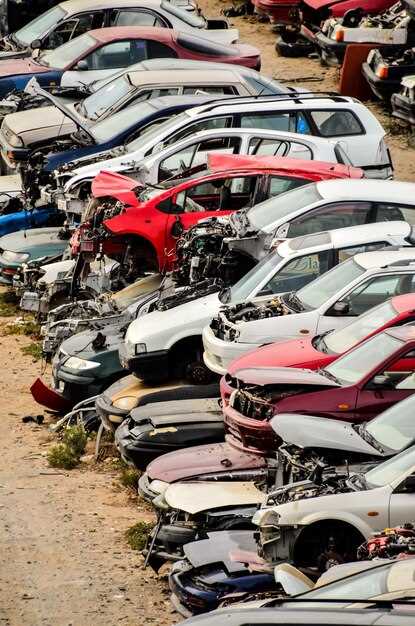
Examine the vehicle’s history report to uncover details about previous accidents, thefts, or major repairs. Tools like Carfax or AutoCheck can provide this information.
Check the structural integrity. Look for signs of frame damage by inspecting the undercarriage and alignment of body panels. Uneven gaps between panels may indicate previous repair work.
Assess the mechanical components. Test the engine, transmission, brakes, and suspension. Listen for unusual noises and take the car for a test drive to identify handling issues.
Inspect the interior for signs of mold, water damage, or burns. A thorough look at upholstery and electronics is necessary, as repairs may be costly.
Evaluate the repair receipts and documentation available from the previous owner. This can provide insight into what has been replaced or fixed.
Consider the resale value. Vehicles that carry a salvage title can drastically decrease in worth. Be informed of how this might affect your financial outlook.
Factor in your budget. Repair costs may add up quickly, affecting your overall spending. Prepare for unexpected expenses that may surface after purchase.
How to Register and Insure a Salvage Vehicle
First, check your state’s regulations regarding registration of vehicles with a rebuilt or salvage title. Some states require an inspection before registration, while others may accept a title transfer directly. Gather necessary documentation, including the original title, bill of sale, and any inspection certificates.
Once the vehicle is ready for registration, visit your local Department of Motor Vehicles (DMV) office or utilize their online services if available. Complete the required forms and pay any associated fees. Ensure to ask about any special license plates or insurance requirements.
For insurance, find carriers that are compatible with rebuilt titles, as many standard providers may not cover these vehicles. Obtain quotes from multiple insurance companies. Discuss the vehicle’s condition and history to ensure accurate coverage. Make certain to select a policy that fits your budget while providing adequate protection.
Consider liability coverage at a minimum, but also explore comprehensive and collision options based on your needs. Keep in mind the potential challenges in claims processing when insuring a vehicle that has undergone significant repairs.
Related Posts

Best Types of Salvage Cars for Budget Buyers
Buying a car is a major financial decision, and for…
How to Evaluate Damage Before Buying a Salvage Car
Conduct thorough inspections to determine the overall state of a…

Top Mistakes to Avoid When Picking a Salvage Car
Prioritize a thorough inspection before finalizing any deal on a…