
When considering a smart investment, pre-owned vehicles offer unparalleled value, especially in the realm of affordable transportation options. Acquiring a pre-owned automobile can substantially decrease overall expenses while ensuring you secure reliable and functional transportation. These vehicles typically retain essential features and performance while being significantly less expensive than new models.
One of the most compelling aspects of opting for pre-owned models is the potential for greater savings without compromising on quality. Many of these autos are meticulously inspected and refurbished, making them a practical choice for those seeking both assurance and affordability. By taking advantage of this market, you can find well-maintained models that may even boast low mileage, offering you an exceptional driving experience while keeping your budget intact.
Additionally, the depreciation factor that heavily impacts the original selling price of new vehicles works to your advantage when selecting a pre-owned option. A vehicle that has already seen its initial depreciation can provide considerable savings, with the added bonus of a similar level of functionality and safety. This aspect transforms the landscape of vehicle ownership for budget-minded individuals, ensuring they can acquire a quality mode of transport at a fraction of the initial cost.
Understanding the Value of Salvage Chevrolet Vehicles

Acquiring a repaired vehicle can yield significant savings, often ranging from 30% to 70% compared to traditional options. This marks an opportunity to own a reliable ride without overspending.
Many models, particularly from this brand, showcase durability and high performance. A comprehensive inspection will reveal the vehicle’s condition, ensuring quality and longevity. Also, obtaining a detailed history is critical in assessing repairs and potential future expenses.
With appropriate maintenance, these vehicles can serve admirably for years. The resale value may fluctuate but can remain reasonable if preserved well. Recognizing these aspects enables informed decision-making, allowing individuals to secure a dependable automobile.
In regions where tough economic conditions prevail, these affordable options become increasingly valuable, providing consumers access to reliable transportation. Weighing personal needs against costs can lead to favorable choices.
How to Evaluate the Condition of Salvage Cars
Inspect thoroughly for structural integrity. Look for signs of frame damage, rust, or misalignment. A straight frame typically indicates a less complicated repair history.
Check the engine and transmission. Ensure there are no leaks, strange noises, or warning lights. Start the vehicle and listen for inconsistencies that could signal deeper issues.
Examine upholstery and interior features. Stains, damage, or missing components may suggest neglect. A well-maintained interior often reflects care taken with the vehicle overall.
Conduct a vehicle history report. This document reveals past accidents, floods, or other incidents impacting reliability and value. Look for discrepancies in mileage and ownership history.
Review bodywork for consistency. Uneven paint, panel gaps, or mismatched colors might indicate poor repairs. Quality refurbishment can be a good sign, while shoddy work suggests potential problems.
Inspect tires and brakes closely. Worn tires and brake pads can indicate the care previously given to maintenance. Make sure to assess the tread depth and signs of uneven wear.
Test all electronics and features. Ensure lights, windows, and other electronics operate correctly. Electrical issues can lead to costly repairs down the road.
Consider having a trusted mechanic perform a thorough pre-purchase inspection. A professional’s insight can save money and ensure informed decision-making.
Finally, evaluate the cost of potential repairs. Make sure to factor in estimated costs for necessary fixes against the overall purchase price to determine if it’s a good deal.
Best Practices for Buying and Maintaining Salvage Chevrolet Models
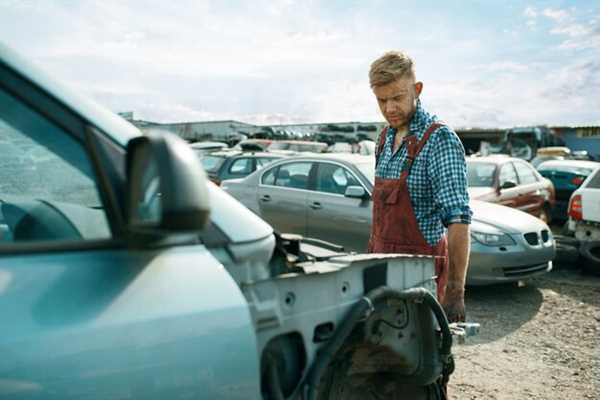
Always obtain a detailed vehicle history report to verify the severity of damage and previous repairs before making a purchase. This information is crucial for understanding the potential risks associated with a specific vehicle.
Inspect the vehicle thoroughly or hire a trusted mechanic who specializes in assessing damaged vehicles. Pay close attention to the structural integrity and ensure that the frame is straight, as alterations may lead to long-term issues.
Negotiate based on the condition and necessary repairs outlined in the assessment. A well-informed price can save you money in the long run, especially if significant repairs are anticipated.
Once the vehicle is purchased, keep up with regular maintenance to ensure longevity. This includes oil changes, brake inspections, and tire rotations, which should be done more frequently than with standard models due to the prior damage.
Utilize high-quality parts for repairs and replacements. This choice can significantly enhance the performance and safety of the vehicle. Avoid cheaper, unreliable options that may cause more harm than good.
Regularly check for signs of wear or damage, especially in electronics and systems that may have been affected by previous accidents. Addressing minor issues promptly can prevent costly repairs in the future.
Document all maintenance and repairs with receipts and service records. This documentation may be crucial for future resale and can contribute to maintaining the vehicle’s value.
Join online forums or local groups of enthusiasts focused on similar models. Engaging with a community can provide valuable tips and support for maintenance and troubleshooting.
Related Posts
Most Common Salvage Toyota Cars on the Market
For those in search of practical options, several reputable models…

Why Salvage Nissans Are a Top Choice
Prioritizing affordability without sacrificing quality is achievable by opting for…