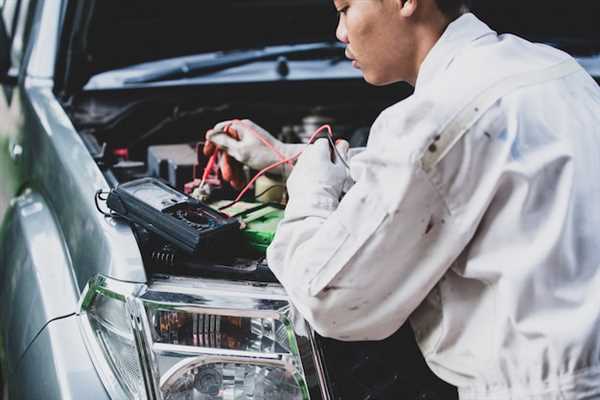
For those considering the journey of fixing a damaged eco-friendly vehicle, a clear understanding of the process is vital. Identify first the specific issues affecting the model you wish to work on. Conduct a thorough inspection to assess structural damage, electrical systems, and battery health to ensure a comprehensive recovery plan.
Craft a detailed report outlining necessary components for replacement or repair. Sourcing parts from reputable suppliers is key; look for OEM (Original Equipment Manufacturer) parts to ensure compatibility and performance. Online forums and local salvage yards can also yield valuable resources and direct insights from others who have undertaken similar projects.
Establishing a workspace equipped with the right tools is crucial. Invest in diagnostic tools specifically designed for advance automotive technologies. An organized workstation will streamline the restoration process and enhance efficiency, allowing for a more enjoyable experience from start to finish.
Prioritize safety throughout each step. Invest in proper protective gear, especially when handling electric systems. Understand the protocols for safely discharging high-voltage batteries before beginning any work. Staying informed about the latest industry standards will ensure adherence to safety measures.
Ultimately, restoring a damaged eco-friendly vehicle involves meticulous preparation and continuous learning. With the right approach, anyone can successfully bring these vehicles back to life while contributing to sustainable transportation.
Identifying Key Components to Inspect in Hybrid and Electric Vehicles
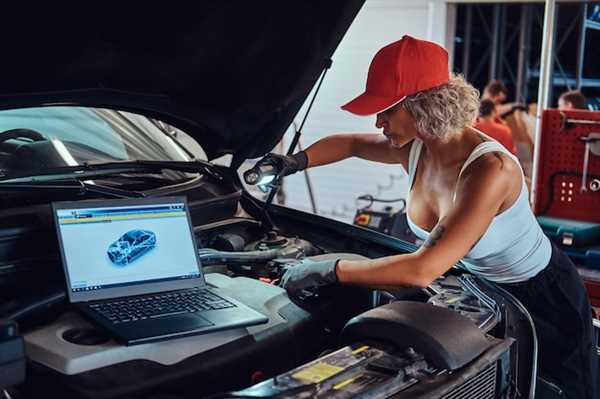
The battery pack is the foremost element to assess. Check for any signs of corrosion, damage, or improper connections. Voltage levels should be measured to ensure functioning capacity.
Next, analyze the electric motor and inverter. Look for any wear on bearings, overheating issues, or irregular sounds during operation. Unusual vibrations may indicate mechanical failure.
Peviculiarily review the power electronics. Inspect connectors and wiring for signs of wear, fraying, or insulation failure. Proper functioning of the control unit is essential for optimal vehicle performance.
The regenerative braking system requires careful examination. Check brake pads, discs, and operation of the electric braking feature, as wear can significantly affect performance.
Cooling systems must be evaluated. Ensure that cooling loops for both the battery and electric motor are clear and functioning effectively. Leaks or blockages can lead to overheating.
Lastly, don’t overlook the charger and its connections. Damage or dirt accumulation can impede performance. Conduct tests to verify that charging times meet manufacturer specifications.
Step-by-Step Guide to Diagnosing Electrical Issues in EVs
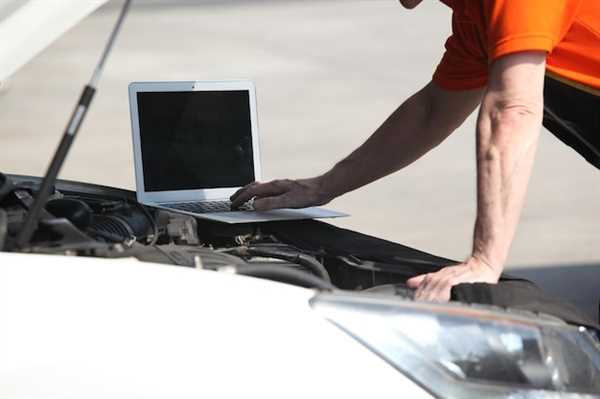
Begin by ensuring the vehicle’s battery is fully charged. A low charge can mimic many electrical issues.
- Check for visible damage to wiring and connectors. Look for frayed wires or loose connections.
- Utilize a multimeter to test the voltage levels at the battery terminals. Verify readings against the manufacturer’s specifications.
- Inspect fuse boxes for blown fuses. Replace any damaged components and retest the system.
- Examine the electric motor and inverter for any signs of overheating or damage. Look for burnt areas or unusual smells.
- Use an OBD-II scanner to retrieve diagnostic trouble codes. Document any codes that appear, as they can provide specific guidance on faults.
- Investigate the charging system. Verify that the onboard charger is functioning properly and that there are no issues with the charging port.
- Consider checking the auxiliary battery, if applicable. Issues with the 12V battery can lead to various electrical malfunctions.
- Inspect software updates. Ensure the vehicle’s software is current, as updates often resolve known electrical issues.
After conducting these checks, perform a thorough test drive to gauge system performance. Observe if any warning lights trigger on the dashboard, as this could signal unresolved problems.
Essential Tools and Techniques for Restoring Salvage Vehicles
Using a high-quality OBD-II scanner is crucial for assessing the condition of EVs. It provides insights into error codes and vehicle performance, facilitating targeted interventions.
A comprehensive toolkit, including torque wrenches, pliers, and screwdrivers, is fundamental for mechanical adjustments. Ensure that your toolkit includes specialized tools for handling electric components to avoid damaging delicate systems.
For bodywork, invest in a MIG welder suitable for automotive materials. This tool is invaluable for structural repairs after front-end collisions or frame damage.
Employing a multimeter is imperative for electrical diagnostics. This device helps identify faults in wiring, batteries, and control modules, ensuring safe operation after modifications.
Utilize a floor jack and jack stands for lifting vehicles securely. This equipment enhances safety while accessing the undercarriage, making it easier to inspect and replace vital components.
Consider a battery management system for maintaining optimal functionality of the power source. Regular monitoring prevents issues arising from overcharging or deep discharging.
Finally, mastering restoration techniques, such as plastic welding for interior trims and using appropriate sealants for window placements, enhances the overall quality of your project.
Related Posts

How to Restore a Flood-Damaged Salvage Car
Prioritize safety by thoroughly assessing the extent of water exposure…

Restoring Salvage Sports Cars – Is It Worth It?
Engaging in the rehabilitation of damaged performance vehicles can yield…
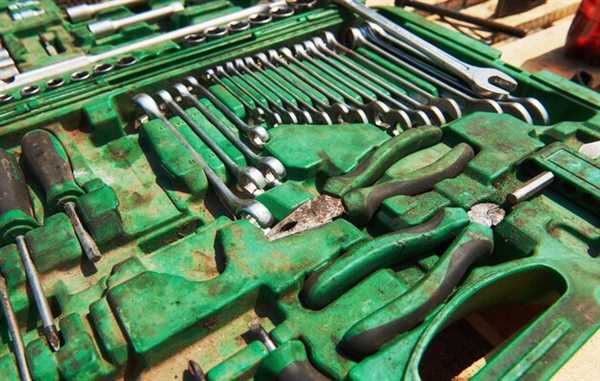
Best Tools for Salvage Car Repairs
Choosing the right instruments is key to achieving successful outcomes…