
Approach vehicular rejuvenation with a detailed plan to mitigate common issues. Identifying the specific condition and previous damage of the vehicle is paramount; thorough assessments help prioritize repairs effectively. Establish a realistic budget, taking into account unexpected expenses that often arise during the rebuilding process.
Quality of parts plays a significant role in the success of the endeavor. Sourcing reliable components can be a daunting task, especially for vintage models. Consider networking with enthusiasts and local parts suppliers to ensure access to authentic or high-quality aftermarket solutions.
Another considerable factor is time management. Restoration efforts can extend well beyond initial projections, demanding patience and persistence. Developing a timeline with clear milestones will help maintain focus and motivation, ensuring continuous progress throughout the undertaking.
Identifying Structural Damage: Key Steps for Assessment
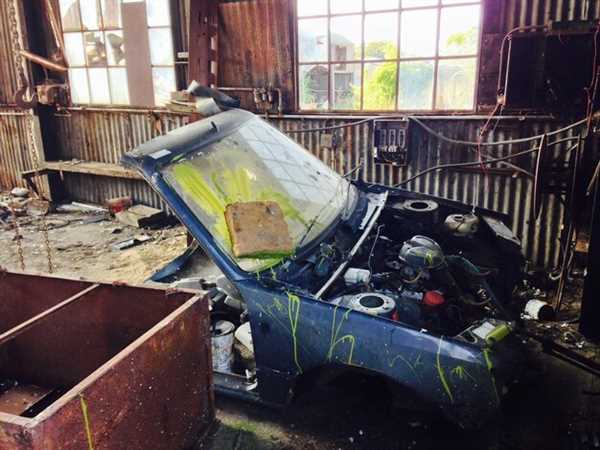
Begin with a thorough visual inspection of the vehicle. Look for misalignment in panels, gaps, and uneven spacing that can indicate damage. Check the frame and body structure for any signs of bending or warping.
Utilize a level and measuring tape to evaluate the symmetry of the body. Measure distances between key points on both sides; discrepancies may reveal hidden structural issues.
Inspect areas prone to rust or corrosion, especially around welds and joints. Corroded components can weaken structural integrity, complicating repairs.
Employ a magnet tool to test for body filler. Areas treated with filler may mask prior damage, leading to potential challenges in achieving a proper repair.
If accessible, remove interior panels to assess hidden damage. Inspect the firewall, undercarriage, and suspension components for stress fractures or deformation.
Document findings meticulously. Photographs and notes will assist in understanding the full extent of the damage, aiding in estimating repairs.
Consult with professionals when uncertain about structural issues. Their expertise can pinpoint areas requiring specialized attention.
Utilize diagnostic tools, such as frame alignment machines, to precisely assess structural integrity. These can provide concrete data for effective repairs.
Estimate repair costs with consideration to the severity of the damage. Higher costs may reflect extensive structural alterations needed to restore safety and performance.
Develop a plan that addresses identified issues, ensuring all repairs align with safety standards and regulations. This will enhance long-term success and durability.
Navigating Legal Challenges in Salvage Title Acquisition

Ensure thorough research of local and state regulations regarding ownership transfer of damaged vehicles. Each jurisdiction may have specific requirements for handling titles marked as salvage.
Verify the vehicle’s history through reliable services to identify any existing liens or unresolved claims that could impede the acquisition process. This step is vital to prevent future legal complications.
Prepare all necessary documentation meticulously, including proof of ownership, repair estimates, and inspections. Different states may demand various forms; check with the Department of Motor Vehicles (DMV) or respective agencies.
Consult with legal experts specializing in automotive titles. Their insights could mitigate risks and clarify procedural discrepancies that often arise during ownership transition.
Be aware of title branding regulations. States have distinct criteria that determine when a vehicle is classified as salvage. Understanding these classifications is crucial before moving forward with any purchase.
Engage with local authorities or title services for insights on inspections required for title restoration. Some regions mandate detailed assessments before resuming anything resembling standard registration.
Maintain clear records of all transactions and communications throughout the process. This documentation can serve as protection in case disputes arise related to the vehicle’s condition or ownership.
Anticipate potential delays due to bureaucratic procedures. Each step, including inspections and title transfers, may take longer than expected, impacting restoration timelines.
Stay informed about any changes in laws or regulations that might affect title processes. Join forums or groups focused on vehicle rehabilitation to engage with others experiencing similar challenges.
Finding Quality Replacement Parts: Strategies for Cost Management
Begin with thorough research. Utilize online marketplaces and specialized forums to identify trusted suppliers offering parts that meet your specific needs. Comprehensive reviews and user recommendations can guide your choices effectively.
Consider local auto salvage yards. Often, they house a variety of components at a fraction of retail prices. Visiting in person allows for inspection of the part’s condition, ensuring quality while minimizing expenses.
Explore aftermarket options. Many manufacturers produce compatible parts that can significantly reduce costs compared to original equipment. Ensure these alternatives meet safety and performance standards by checking certifications.
Network with local mechanics and enthusiasts. Establishing relationships can lead to insider knowledge regarding discounts, additional resources, and even collaborative purchasing, spreading costs among several restorers.
Timing can affect pricing. Keep an eye on sales, especially during holidays or clearance events. Being patient and strategic can result in substantial savings.
Join relevant online communities. These platforms can provide leads on discounts and less-known suppliers. Knowledge sharing can help you navigate pitfalls and identify reputable sources.
Document your needs clearly before searching. A detailed list can prevent impulse buys and help maintain focus on necessary items, avoiding overspending.
Utilize custom part-making services as a last resort. While potentially costly, this option may be more economical than sourcing hard-to-find components and ensures a perfect fit for your requirements.
Related Posts

DIY Tips for Repairing Salvage Cars
Begin with a thorough inspection of the vehicle’s body and…

How to Replace Salvage Car Interiors
Begin this task with a thorough evaluation of the vehicle’s…

Restoring Salvage Sports Cars – Is It Worth It?
Engaging in the rehabilitation of damaged performance vehicles can yield…